

A custom claw machine project can range from adapting an existing model to developing a new machine around a specific concept. The key is knowing how much needs to change before discussing the project with an OEM or ODM supplier. A clear scope can affect the design work, engineering requirements, quotation, and production process involved.
For buyers, the process starts with more than choosing a machine and adding a logo. The machine’s intended use, 外観, 機能, 量, and other requirements all need to be defined before the supplier can assess the project. This makes it easier to turn an initial idea into a clear, production-ready specification.
What Is the Difference Between OEM and ODM Claw Machines?
OEM and ODM are often used interchangeably when buyers discuss custom claw machines, but they can involve different levels of supplier involvement. The main difference is who defines the product and how much design work is required. An OEM project can be based on an existing machine while still allowing changes to meet the buyer’s specifications. An ODM project generally involves more supplier-led design and development around a new product concept.
OEM Claw Machine Projects
An OEM project usually starts with an existing machine, platform, or production solution. The buyer provides specifications, branding requirements, or other changes, and the supplier adapts the machine to those requirements. Depending on the project, this can include appearance, cabinet details, ブランディング, or certain functional requirements.
OEM is useful when the buyer already knows what type of machine is needed and wants to customise it without developing the entire product from the ground up. しかし, OEM does not mean that every project is limited to simple logo or colour changes. The actual scope depends on the supplier’s design and engineering capabilities.
ODM Claw Machine Projects
An ODM project involves greater participation from the supplier in designing the product itself. Instead of starting with a fixed machine and making limited changes, the buyer may provide a product concept, application, brand direction, or functional requirements for the supplier to develop.
This approach can involve cabinet design, 外観, 機能性, and other product details. It is particularly relevant when a brand needs a distinctive machine, has a specific concept that is not available as a standard model, or wants a supplier to handle more of the design and development work.
Because more elements need to be designed and confirmed, ODM projects generally require more design work, テスト, and coordination before production.
When Do You Need OEM or ODM?
A simple way to think about the difference is:
Existing machine + your specifications → OEM
New product concept + supplier design involvement → ODM
The boundary is not always fixed, so the best starting point is to describe the machine you want rather than focus only on the terminology. Once the basic concept is clear, you can define exactly what needs to change and what level of design or engineering support the project requires.
Before contacting a supplier, the next step is to define exactly what you want to change.
If you are still deciding between a standard and custom machine, see our guide to 標準クローマシンとカスタムクローマシン before defining your OEM or ODM requirements.
What Can You Customise on a Claw Machine?
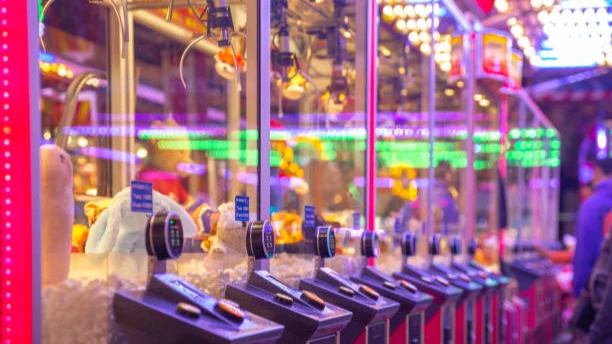
Once you know whether your project is closer to OEM or ODM, the next step is to define what actually needs to change. Customisation can range from simple brand application to changes that require new design or engineering work. The broader the scope, the more design, テスト, and production planning the project may require.
| Customisation Type | Typical Changes | Project Complexity |
|---|---|---|
| ロゴ & Graphics | ロゴ, ステッカー, アートワーク, colours | より低い |
| キャビネット & 点灯 | Cabinet appearance, colours, 点灯 | 中くらい |
| Function | Gameplay-related settings and functions | より高い |
| Full ODM | New machine concept and design | Highest |
Logo and Graphics
Logo and graphics customisation applies your brand identity to an existing machine. This can include logos, ステッカー, アートワーク, and colours, making it suitable for buyers who want a standard machine with a branded appearance.
Cabinet and Lighting
Cabinet and lighting customisation goes beyond surface branding. Changes can include the cabinet appearance, colours, lighting layout, and other visual elements that support a particular venue or brand theme. Depending on the changes, 2D or 3D design may be needed before production.
Function and Control
Functional customisation changes how the machine operates rather than simply how it looks. Requirements may involve gameplay functions, operating logic, or specific parameters, and some projects may require PCB, ソフトウェア, or engineering work to implement and test the changes.
Full Machine Design
Full ODM involves developing a machine around a new product concept. The project may include a new cabinet, visual design, structural requirements, and integrated functions, followed by prototype development and testing before production.
For a detailed breakdown of individual customisation options, see the OEM Claw Machine Customization Guide.
Start Your Custom Claw Machine Project
Have a custom claw machine idea? Tongru provides 2D/3D design and production support to help turn your requirements into a finished machine.
What Should You Prepare Before Contacting an OEM/ODM Supplier?
A clear project brief gives an OEM/ODM supplier enough information to assess your requirements before preparing a quotation. It also helps identify design work, functional changes, production conditions, and delivery requirements early. Before sending an inquiry, organize the key information around your brand, machine and venue, 機能, and order requirements.
Brand and Visual Requirements
If the machine will carry your brand, the supplier needs more than just a logo. Brand colours, アートワーク, visual guidelines, and reference images can help define how the machine should look and which parts of the standard design may need to change. If you already have brand guidelines or similar product references, provide them with the initial inquiry to reduce unnecessary design revisions later.
Machine and Venue Requirements
The machine needs to fit both the intended venue and the way it will be operated. Before contacting a supplier, clarify the machine type, required dimensions, available floor space, venue type, indoor or outdoor application, expected quantity, and target market.
These details can affect the machine configuration and overall project requirements. 例えば, available floor space may limit the machine size, while the venue and target market may affect payment methods, 言語, display requirements, or other operating details.
Functional Requirements
Functional requirements should be described separately from visual customisation. If the project involves changes to gameplay or machine operation, explain these requirements as clearly as possible at the inquiry stage. Common examples include:
- Gameplay requirements
- Claw configuration
- Payment method
- Language and display requirements
Some requirements may only involve configuration, while others may require changes to electrical, 機械的, プリント基板, or software systems. The supplier needs to assess this difference before confirming the final project scope and quotation.
Order and Delivery Requirements
Commercial and delivery information should also be included in the initial brief. Provide the expected quantity, target delivery date, destination market, packaging requirements, and whether a sample or prototype is required.
This information gives the supplier a basis for discussing MOQ, production arrangements, 配送, and the expected project schedule. For a larger or more customised project, confirming these requirements early can also help avoid changes after the design and quotation have been approved.
A clearer brief makes it easier for an OEM/ODM supplier to assess feasibility, 価格設定, and lead time and identify any requirements that need further discussion before production.
What Design and Engineering Support Does a Custom Claw Machine Project Need?
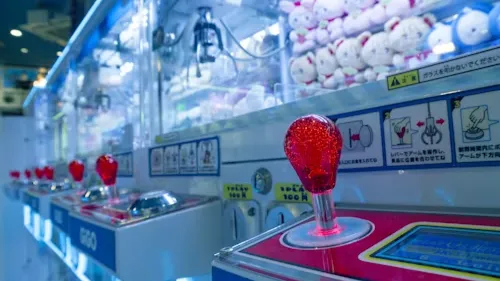
A custom claw machine needs more than a visual concept. The design needs to communicate the machine’s dimensions, structure, レイアウト, 外観, and other requirements clearly enough for production. When the project also involves functional changes, engineering work may be required to make those requirements practical. Understanding the difference helps buyers discuss the project scope with an OEM/ODM supplier before production begins.
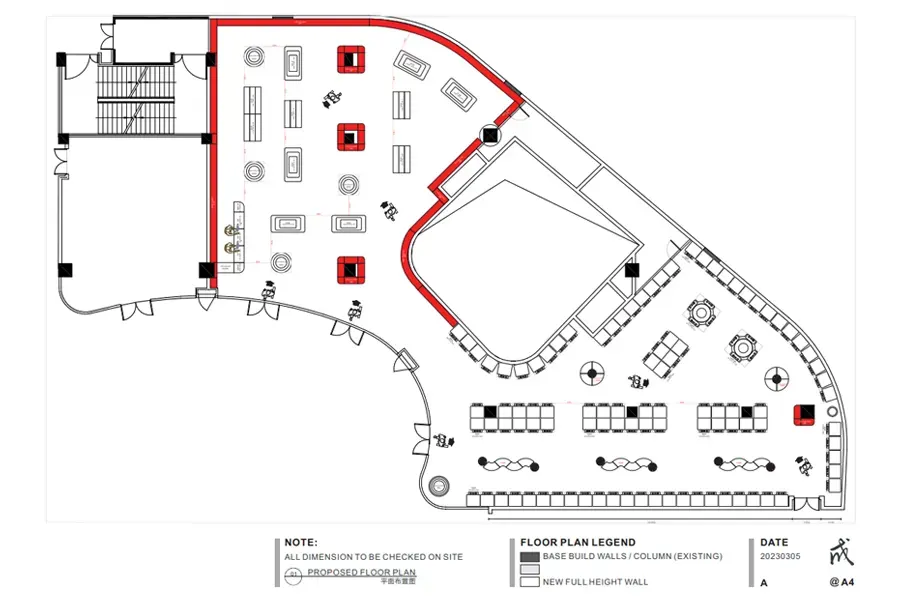
2D Design for Structure and Layout
2D design focuses on the practical structure of the machine. It can show dimensions, cabinet structure, internal layout, equipment positions, and lighting placement.
This gives buyers a clear reference for reviewing the proposed machine and checking whether the design fits the available space and operating requirements. Changes can also be discussed before the design moves further toward production.
3D Rendering for Appearance
3D rendering focuses on the overall visual appearance of the machine. It can show the proposed colours, logo placement, 点灯, cabinet design, and other theme elements.
A 3D view gives buyers a more realistic reference for visual approval before production. It also makes it easier to discuss changes to the appearance without relying only on written descriptions or separate graphic files.
For custom claw machine projects, Tongru provides 2D and 3D design support. Its team includes three designers, and free 2D/3D layout support is available for projects that require planning around machine quantity, サイズミックス, 通路, and power requirements.
When Does Customisation Require Engineering Work?
Not every customisation requires extensive engineering. Visual changes such as colours, グラフィックス, logo placement, or some cabinet details may mainly involve design and production adjustments.
Functional changes can be more complex. Changes to gameplay, claw behaviour, 決済システム, ディスプレイ, or other operating functions may involve electrical, プリント基板, ソフトウェア, or mechanical adjustments, depending on the existing machine and the requested function.
Before confirming the project, buyers should ask what can be modified, which requirements need new development, whether PCB or software changes are involved, whether functional testing is required, and whether additional development costs apply.
From Concept to Production-Ready Design
A custom project should not stop at a 3D rendering. The design needs to develop into a confirmed specification that can support actual production, especially when functional changes are involved.
A typical process may follow:
Concept → Design Revision → Functional Development → Testing → Final Approval → Production
A rendering can show how the machine is expected to look, but it does not by itself confirm that every functional requirement can be implemented. Design revisions and functional testing may therefore be needed before the final specification is approved.
Final approval gives the buyer and supplier the same reference for the finished machine. It also helps reduce changes after production begins and keeps the quotation, production plan, and delivery schedule aligned with the confirmed requirements.
How Does a Custom Claw Machine Project Work?
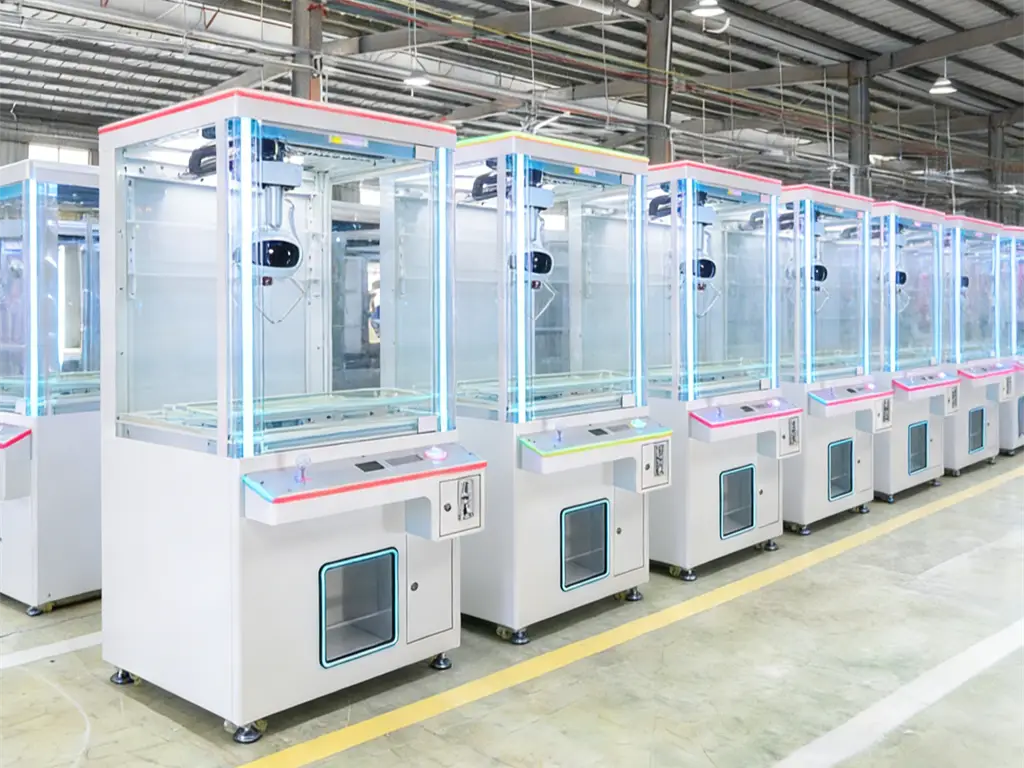
A custom claw machine project usually moves through several stages before the machines enter production. The exact process depends on the level of customisation, but the main steps remain similar: clarify the requirements, develop the design, confirm the quotation, approve the final specifications, and then move into production and delivery.
1. Requirement Discussion
The buyer provides the machine requirements, brand materials, functional specifications, 量, target market, and expected delivery date. The supplier reviews the brief and identifies which requirements can be handled through standard configuration and which may require design or engineering work.
2. Design and Development
The supplier develops the proposed machine based on the confirmed requirements. Depending on the project, this may include 2D layouts, 3Dレンダリング, design revisions, or functional development.
3. Quotation and Specification Confirmation
Once the scope is clearer, the supplier can assess the machine configuration, customisation work, 量, and other project conditions to prepare a quotation. Buyers should review not only the price but also what is included in the quoted scope.
4. Final Approval
Before production, both sides should confirm the final machine specifications, 外観, 機能, 量, パッケージング, delivery requirements, and other agreed terms. This approval becomes the reference for production.
5. Production and Testing
After the confirmed requirements are in place, production can begin. Custom projects may require additional inspection or functional testing, particularly when the machine includes modified functions or newly developed elements.
6. Shipping and After-Sales Support
After production and final inspection, the machines are prepared for shipment according to the agreed delivery arrangements. After-sales support should also be confirmed in advance, including warranty terms, スペアパーツ, and technical assistance where applicable.
The clearer the requirements and approval points at each stage, the easier it is to keep the custom project aligned from the initial concept through production and delivery.
The clearer the requirements and approval points at each stage, the easier it is to keep the custom project aligned from the initial concept through production and delivery. For buyers planning a broader arcade project, 私たちのを参照してください ワンストップクローマシンソリューション for more information.
最終的な考え
An OEM or ODM claw machine project starts with a clear understanding of what needs to be customised and how the machine will be used. A well-prepared project brief gives the supplier a better basis for assessing the design, functional requirements, quotation, and production process.
From the initial concept to design approval and final production, each stage should be based on clearly confirmed requirements. For buyers looking to develop a branded or customised claw machine, Tongru provides design and production support for custom projects. Contact the team to discuss your machine concept and project requirements.
よくある質問
What should be included in a custom claw machine quotation?
A custom claw machine quotation should clearly state the machine model, customization scope, 量, included design work, パッケージング, and delivery conditions. Buyers should also confirm which items are included in the quoted price and whether sample, prototype, tooling, or additional development costs apply.
Can I request a sample before placing a larger custom claw machine order?
A sample can help buyers check the machine’s appearance, 寸法, ブランディング, 機能, and overall setup before larger production. Whether a sample or prototype is available depends on the customization scope, so buyers should confirm the sample process, 料金, and approval requirements with the supplier in advance.
Who owns the design of a custom claw machine?
Design ownership should be confirmed before an ODM project begins, particularly when new cabinet designs, drawings, tooling, or other original elements are developed. The project agreement should clarify ownership of the final design, technical drawings, tooling, and any newly developed elements.
What certifications does a custom claw machine need for my market?
Certification and compliance requirements depend on the destination market and machine configuration. Buyers should confirm applicable electrical, 安全性, labeling, and other local requirements before production and ask the supplier which compliance documents can be provided for the finished machine.
How can I make sure the next batch matches my approved custom claw machine?
Keep the approved drawings, 仕様, アートワーク, component requirements, and functional settings as the production reference. For repeat orders, confirm that the same specifications will be used and document any approved changes before production starts to maintain consistency between batches.