

Frequent claw machine failures can quickly reduce arcade revenue through unexpected downtime, repair costs, and poor player experiences. This Claw Machine Troubleshooting guide helps operators identify common mechanical, electrical, and claw system issues while improving maintenance strategies to reduce operational risks.
For arcade businesses and equipment buyers, reliable machine performance depends on durable design and preventive solutions. This article explains how professional manufacturers solve recurring problems through better components, engineering improvements, and OEM support to help lower long-term maintenance costs.
Common Mechanical Problems That Affect Claw Machine Performance

Mechanical issues in claw machines usually originate in four predictable areas: the claw assembly, the gantry system, the drive motors, and peripheral systems like sensors or payment mechs.
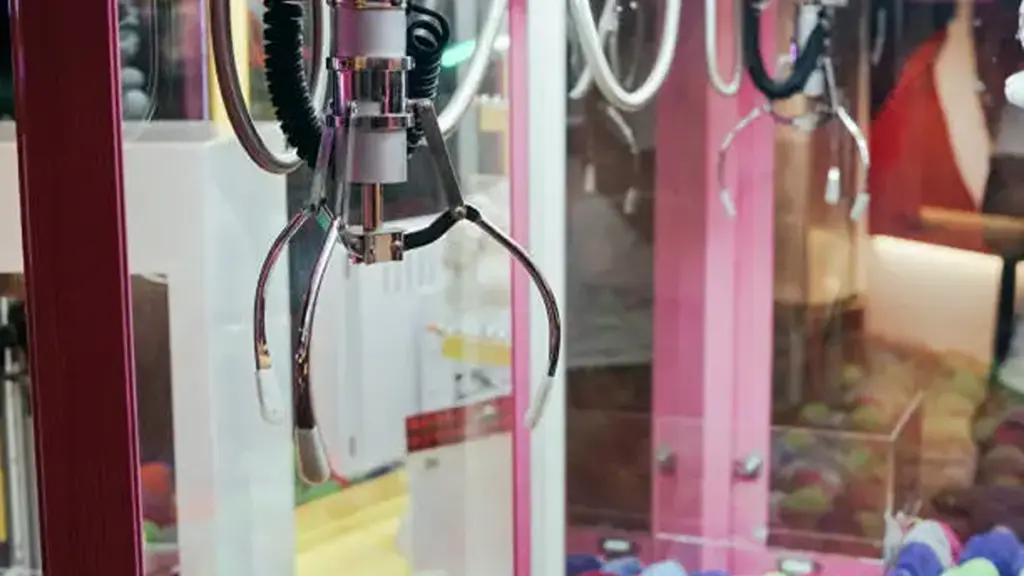
Claw Assembly and Grip Failures
A claw’s grip strength can become weak or inconsistent over time. This is often caused by fatigued springs that have lost their tension or by dirty, unlubricated joints that introduce too much friction. You might also see the claw fail to open or close completely. This usually points to a mechanical jam, bent arms, or worn internal gears that can no longer engage properly. Another common issue is the claw stalling during its return trip to the prize chute, a symptom frequently linked to an overheating hoist motor or slipping drive belts.
Gantry Movement and Alignment Issues
Jerky or stuttering gantry motion is a clear sign that something is wrong with the movement system. The culprit is typically dirty rails, debris on the tracks, or old, dried-up lubricant creating excess friction. If you hear grinding or clicking noises during movement, it’s a good bet you have stripped gears or loose motor shaft couplings. A more serious issue is gantry misalignment, where the entire carriage is out-of-square, causing it to bind up at certain points as it moves within the cabinet.
Motor and Drive System Malfunctions
Sometimes a motor will run, but the gantry or claw produces no movement. This almost always indicates a mechanical disconnect in the drive train, like a stripped gear or a slipping belt. Motors can also overheat from excessive mechanical load, a problem often caused by misaligned rails or trying to lift prizes that are heavier than the machine was designed for. You may also notice a performance decline during peak hours, where motors slow down or stall completely after extended operation.
Failures in Peripheral Mechanical Systems
Problems aren’t limited to the main claw and gantry. Incorrect sensor readings can be caused by physically damaged or misaligned limit switches that fail to trigger correctly. Coin and other payment mechanisms can jam due to debris in the coin path or from worn-out mechanical rejection springs. Enfin, a simple but frustrating issue is when prizes get stuck in the chute, which often happens because the prize door flap is misaligned or binding.
Pour mieux comprendre le système complet, voir notre répartition de Comment fonctionnent les machines à griffes
Electrical and Software Issues That Cause Machine Downtime
Electrical and software problems range from bad wiring to corrupted firmware, causing power failures, input errors, and incorrect payouts that require systematic troubleshooting to resolve.
Power Supply and Wiring Faults
When a claw machine fails to power on, flickers, or restarts randomly, the issue often lies with the power supply or its wiring. The most common culprits are simple: a loose power cord, a tripped breaker at the venue, or a faulty internal power supply. Overheating is another frequent cause, usually from blocked ventilation fans. Always ensure there is at least six inches of clearance around the machine for proper airflow. Intermittent problems, like controls or motors that work one moment and fail the next, often point to frayed wires or loose connectors, especially in the wiring harness that moves with the gantry. A quick check of the outlet voltage and a thorough inspection of all cables for damage are the first steps in any electrical diagnosis.
Control Board and Firmware Malfunctions
Firmware corruption is a major headache, often triggered by power spikes that can scramble the machine’s logic. This leads to bizarre issues like incorrect credit counting, erratic claw movements, or payout settings that seem to have a mind of their own. Even without corruption, misconfigured software settings for claw strength or game timing will ruin the player experience and create an inconsistent win ratio. Parfois, the main control board simply stops talking to its peripheral modules, like a payment reader or sensor array, disabling key functions. Resolving these issues typically involves reloading a stable firmware version from the manufacturer, performing a factory reset, or using specific tools to recalibrate the game’s core parameters.
Input Device and Payment System Errors
If a joystick or button becomes unresponsive, the cause is usually a worn-out micro-switch or a broken solder joint on the wiring. These are high-use components that degrade over time. Payment systems are another frequent point of failure. Coin mechanisms and bill validators will jam or reject valid currency if their optical sensors or mechanical paths are blocked by dust and debris. For newer machines, cashless payment systems can fail to complete transactions due to poor Wi-Fi or cellular network connectivity, or because the reader’s own firmware is outdated. Regular cleaning of all payment paths and testing the continuity of button micro-switches are fundamental preventive tasks.
Sensor and Positioning Failures
Sensors are the machine’s eyes and ears, and when they fail, the game’s logic breaks down. Dirty or misaligned infrared (IR) prize sensors can cause the machine to incorrectly register a prize drop or report inaccurate stock levels. En même temps, faulty gantry limit switches or home position sensors can prevent the claw from traveling its full range or returning to its starting point. This mechanical and electrical misalignment means the software loses track of the claw’s real-world position, leading to operational errors. After any mechanical adjustments to the gantry or claw, it is critical to run several test cycles to ensure all sensors are clean, aligned, and registering positions correctly.
Launch Your Turnkey Arcade Business Faster
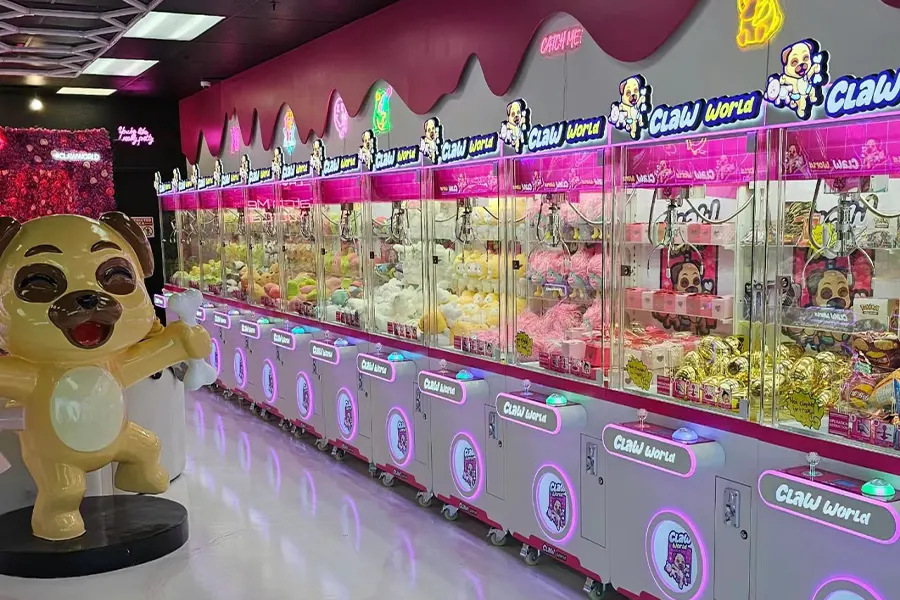
Claw Assembly Failures and Solutions for Better Grip Performance

Claw assembly failures are rarely a single problem. They’re a mix of electrical faults, mechanical wear, and incorrect control settings that require methodical troubleshooting.
Common Signs of Claw Assembly Problems
Claw assembly failures often appear through noticeable changes in machine performance. Identifying these signs early helps operators avoid extended downtime and reduce unnecessary service costs.
Common symptoms include:
- Weak grip performance: The claw cannot hold prizes properly or releases them too easily during movement.
- Incorrect claw movement: The claw moves slowly, stops unexpectedly, or fails to return to its original position.
- Unstable operation: The claw works normally sometimes but fails during other play cycles.
- Unusual mechanical noise: Affûtage, clicking, or abnormal sounds may indicate wear inside the movement system.
These problems can affect customer experience and reduce the earning potential of the machine, especially in high-traffic locations.
Main Causes Behind Claw Performance Issues
Claw performance depends on both mechanical structure and electronic control. A problem that looks like a claw failure may actually come from multiple connected components.
Common causes include:
- Component wear: Moteurs, engrenages, belts, and moving parts experience continuous stress during daily operation and may lose accuracy over time.
- Control system settings: Incorrect claw strength or movement parameters can affect grip consistency and gameplay performance.
- Electrical connection issues: Loose connections or unstable power supply may cause intermittent claw movement problems.
- Poor internal design: Limited access, weak components, or inefficient structures can make failures more frequent and repairs more difficult.
Pour les opérateurs, these issues highlight the importance of equipment quality and manufacturer design choices.
How Manufacturers Improve Claw Reliability
Experienced claw machine manufacturers focus on preventing claw failures during the design and production stages instead of only fixing problems after they occur.
Key improvements include:
- Stronger claw mechanisms: Improved motors, engrenages, and lifting systems provide more stable movement and longer service life.
- Better component matching: Selecting reliable parts ensures that mechanical and electrical systems work together efficiently.
- Optimized internal structure: Easier access and improved layouts allow faster maintenance and reduce repair complexity.
- Quality testing before delivery: Factory testing helps identify movement, contrôle, and performance issues before machines reach customers.
By improving claw assembly design from the beginning, OEM manufacturers help operators reduce maintenance requirements and achieve more consistent machine performance.
Preventive Maintenance Practices to Reduce Repair Costs
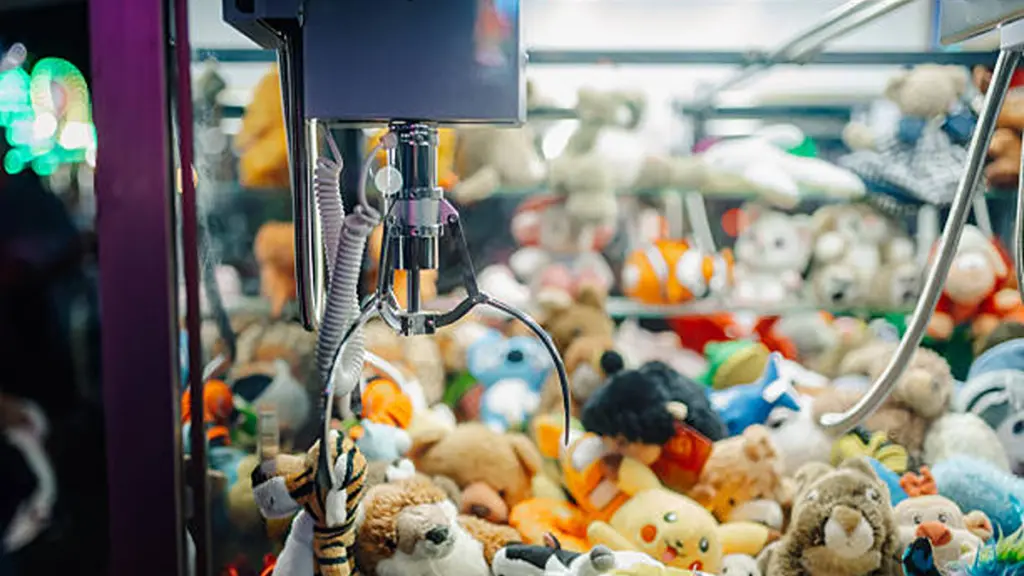
Preventive maintenance is a structured schedule, not a reaction. Following daily, hebdomadaire, and monthly checks is the only way to maximize uptime and protect your revenue stream.
Establish Regular Inspection Schedules
Routine inspections help operators identify early signs of failure before they become major repair issues.
Daily checks:
- Confirm the machine powers on correctly and test basic gameplay functions.
- Check payment systems, boutons, manette de jeu, et le mouvement des griffes.
- Clean the glass, prize area, and customer-facing surfaces.
- Remove visible dust or debris that may affect operation.
Weekly checks:
- Inspect visible wiring and ensure connections appear secure.
- Listen for unusual sounds from motors, rails, or moving parts.
- Clean accessible internal areas to prevent dust accumulation.
- Check that ventilation openings remain clear.
Maintain Mechanical and Electrical Components
Mechanical and electrical parts directly affect claw machine reliability and operating efficiency.
Operators should regularly inspect:
- Claw mechanisms: Check grip consistency and movement accuracy.
- Motors and rails: Identify unusual noise, slow movement, or signs of wear.
- Gears and moving parts: Maintain smooth operation through proper inspection.
- Electrical systems: Check power stability, control components, and connections.
For machines placed in high-traffic locations such as shopping malls or arcades, more frequent inspections may be required due to heavier usage.
Train Staff and Keep Maintenance Records
Proper staff training and documentation improve maintenance efficiency and reduce repeated failures.
Recommended practices include:
- Train employees to identify early warning signs, such as abnormal movement, payment failures, or unusual noises.
- Create maintenance records for inspections, réparations, adjustments, and replaced parts.
- Review maintenance history to identify recurring problems and improve future maintenance plans.
For operators managing multiple machines, maintenance records can also provide useful data when evaluating equipment performance and supplier quality.
Adjust Maintenance Based on Operating Environment
The operating environment has a direct impact on claw machine lifespan and maintenance requirements.
Operators should consider:
- Increasing cleaning frequency in high-traffic areas where dust and debris accumulate faster.
- Maintaining proper airflow around the machine to prevent electronic overheating.
- Protecting machines in humid environments to reduce corrosion risks.
- Adjusting maintenance schedules according to usage intensity and location conditions.
A well-planned preventive maintenance strategy helps operators improve reliability, reduce downtime, and maximize the long-term value of their claw machines.
OEM Design Improvements for More Reliable Claw Machines
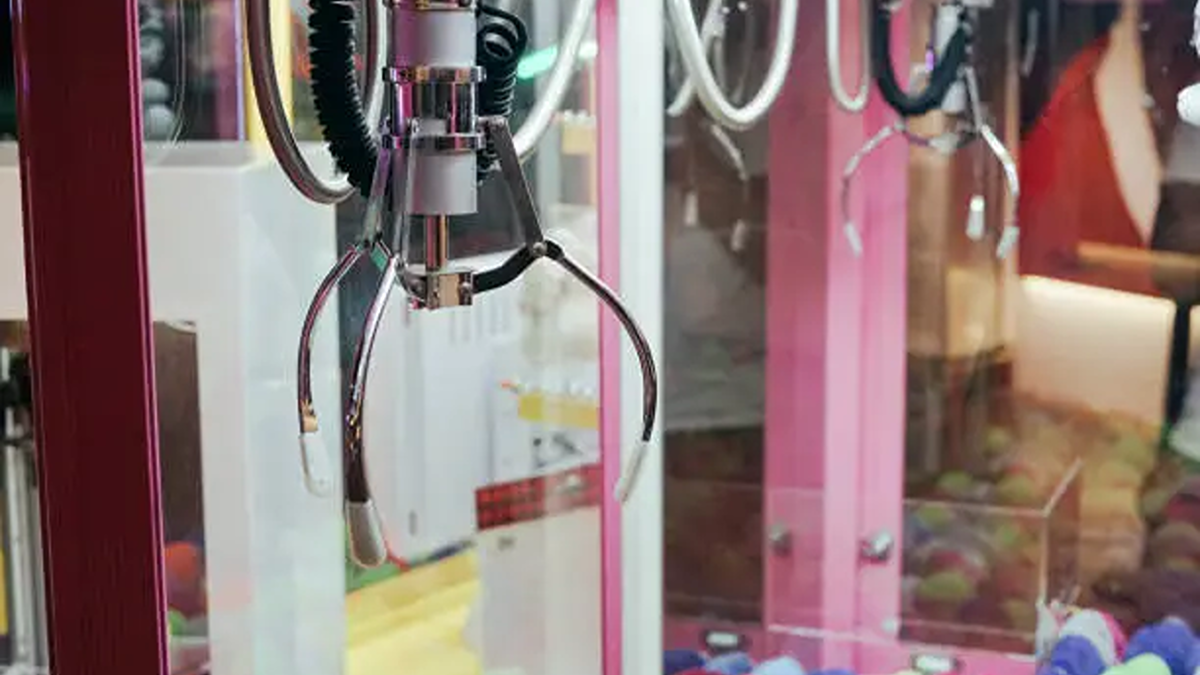
Reliable claw machines are designed for long-term operation. OEM manufacturers reduce maintenance costs and downtime by improving components, internal structures, systèmes de contrôle, and service efficiency from the beginning.
Improve Mechanical Components and Internal Structure
Machine reliability depends heavily on component quality and internal design. Professional OEM manufacturers optimize key parts to ensure stable performance under frequent daily use.
Key improvements include:
- Durable components: Moteurs de haute qualité, capteurs, and mechanical parts help reduce wear and extend service life.
- Optimized internal layout: Better component placement allows faster access during inspection and repair.
- Improved wiring systems: Clear and organized wiring makes troubleshooting easier and reduces maintenance time.
These design improvements help operators reduce unexpected failures and maintain more consistent machine performance.
Build Smarter Control Systems and Diagnostic Features
Modern control systems help manufacturers create machines that are easier to monitor and maintain.
Important features include:
- Performance monitoring: Helps identify abnormal operation before serious failures occur.
- Diagnostic functions: Allows technicians to locate problems faster and reduce troubleshooting time.
- Remote technical support: Enables manufacturers to provide faster assistance for operators.
For businesses managing multiple machines, smarter control systems improve maintenance efficiency and reduce operational interruptions.
Use Modular Design to Simplify Maintenance
Modular construction allows important components to be replaced more quickly, reducing repair complexity and machine downtime.
Common modular improvements include:
- Replaceable components: Systèmes de paiement, control modules, and lighting parts can be changed more efficiently.
- Accessible claw mechanisms: Easier adjustment and maintenance improve repair efficiency.
- Service-friendly structures: Better cabinet designs allow technicians to reach internal parts faster.
This approach helps operators restore machines to normal operation quickly, especially in busy locations.
Integrate Remote Management and Digital Payment Solutions
Digital solutions are becoming an important part of modern claw machine design. OEM manufacturers now focus on improving both user experience and operational efficiency.
Examples include:
- Cashless payment support: Reduces reliance on traditional payment mechanisms and improves convenience.
- Remote configuration: Allows operators to adjust machine settings more efficiently.
- Operation data tracking: Helps identify unusual patterns and support better maintenance decisions.
By combining reliable hardware with smarter management tools, OEM manufacturers help operators achieve higher uptime and lower long-term operating costs.
Pensées finales
Claw machine problems can affect revenue, customer experience, and daily operations when reliability is not considered during design and manufacturing. Working with an experienced claw machine manufacturer helps operators reduce downtime through better components, smarter designs, and reliable maintenance support.
TONGRU provides OEM claw machine solutions with customized designs, quality components, and manufacturing expertise for global operators. Contact our team to discuss your requirements and develop a claw machine solution built for long-term performance.
Questions fréquemment posées
Which failures generate the highest maintenance costs for claw machine operators?
The highest maintenance costs typically stem from failures in four key areas: the claw and gantry mechanism, motors and drive systems, control electronics like motherboards, et systèmes de paiement. These breakdowns are expensive because they often involve high-priced parts, require specialized technician visits, and cause significant revenue loss from machine downtime, which can be $30–$140 per day.
What preventive measures are most effective for reducing unexpected downtime?
A structured preventive maintenance schedule is the most effective way to reduce unexpected downtime. This includes daily checks of power and payment systems, weekly inspections of mechanical wear, and monthly lubrication of moving parts like gears and tracks. Proactively managing claw grip strength and avoiding mechanical overloading also extends component life and can reduce unexpected failures by up to 30%.
How can operators identify recurring equipment issues early?
Operators can spot recurring issues early by performing consistent daily inspections and logging all faults, no matter how minor. Early warning signs include repeated changes in claw grip, new motor noises (above 65 dB), jerky gantry movement, or frequent payment jams. Tracking these symptoms helps identify underlying problems before they lead to a complete breakdown.
Which claw machine components require the most frequent inspection?
The claw mechanism itself requires the most frequent attention, as it accounts for about 30% of common issues and should be tested daily. Other critical components include the gantry system (rails, belts, engrenages), systèmes de paiement (coin/card readers), and user controls (manette de jeu, boutons). These high-wear parts directly affect revenue and gameplay, so they need daily or weekly checks to prevent downtime.
How do manufacturers design products to minimize service requirements in 2026?
By 2026, manufacturers design claw machines for a 5–10 year lifespan by using robust mechanical parts like steel frames, modular plug-and-play electronics for quick swaps, and environmentally sealed compartments to protect sensitive boards. Many models also include remote telemetry, allowing operators to monitor performance, track errors, and schedule maintenance proactively, which reduces the need for emergency service calls.