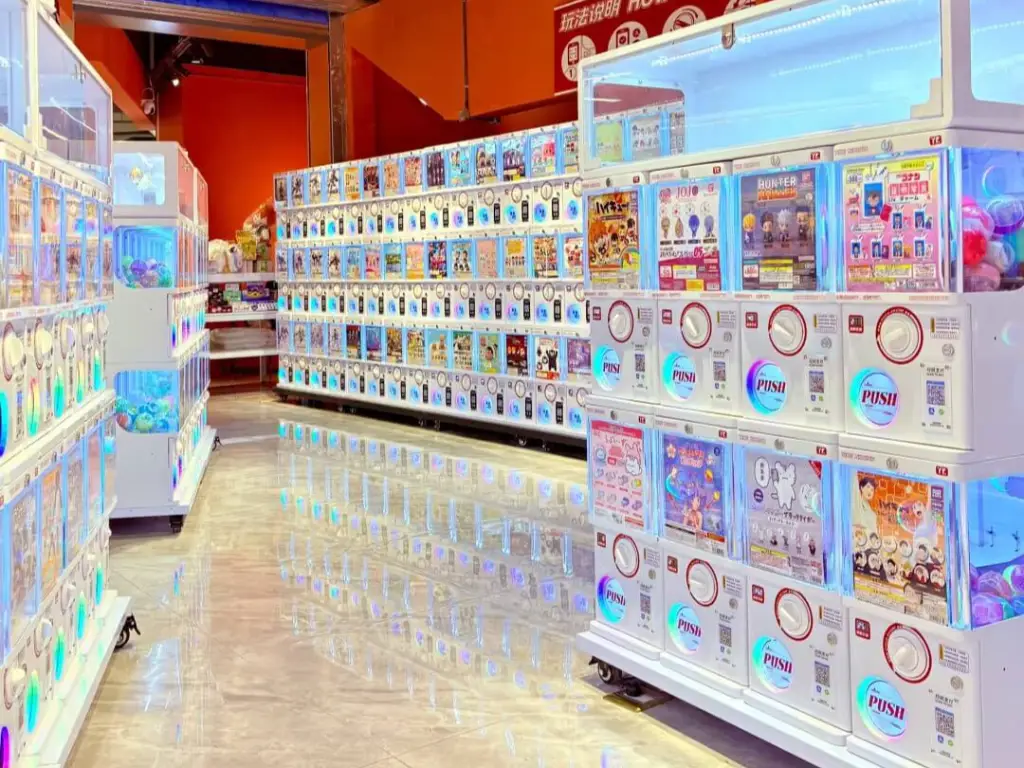


Ein profitables Klauenmaschinengeschäft erfordert mehr als nur die Platzierung von Maschinen an stark frequentierten Standorten. Ohne ein klares Verständnis darüber, wie sich die einzelnen Faktoren auf die Rentabilität auswirken, Anlagerenditen können schwer vorherzusagen sein.
Dieser Leitfaden hilft Spielhallenbetreibern, Familienunterhaltungszentren, und Geschäftsinhaber verstehen die Schlüsselelemente eines erfolgreichen Klauenmaschinenbetriebs. Von der Umsatzplanung und Kostenkontrolle bis hin zu Preismanagement und Skalierungsstrategien, Es bietet praktische Erkenntnisse zum Aufbau eines stabileren und profitableren Geschäftsmodells
Erläuterung der Einnahmequellen von Klauenmaschinen
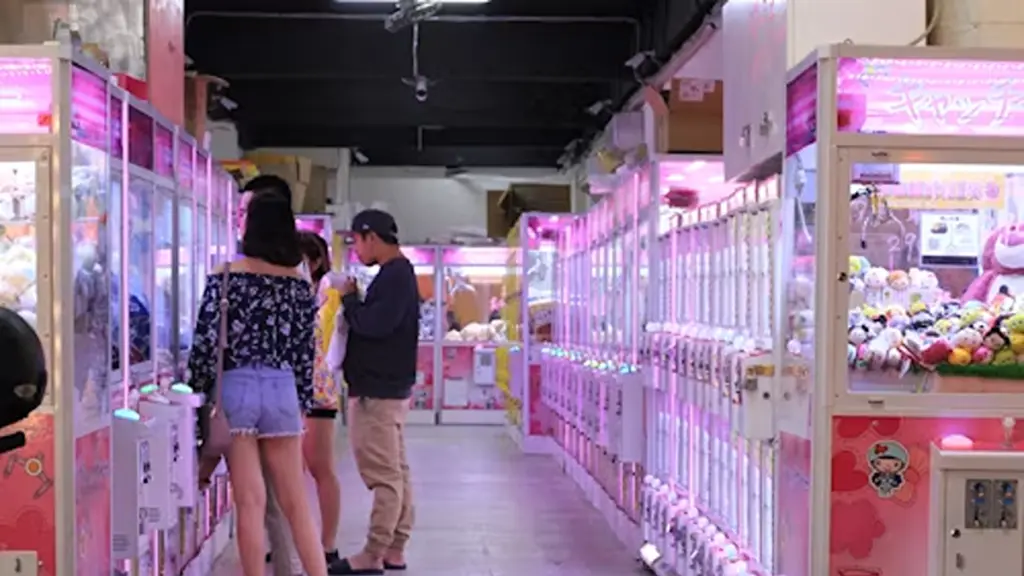
Ein Klauenautomatenunternehmen generiert Einnahmen hauptsächlich durch Kundenspiele, Doch erfolgreiche Betreiber kombinieren in der Regel mehrere Einnahmequellen, um die Rentabilität zu verbessern. Ziel ist es nicht nur, mehr Spieler anzulocken, sondern auch ein Erlebnis zu schaffen, das zu Wiederholungsversuchen und langfristigem Engagement anregt.
Umsatzmodell und Preisstrategie pro Spiel
Das gängigste Einnahmemodell für Klauenautomaten ist das Pay-per-Play-System. Kunden zahlen für jeden Versuch, und der Betreiber erzielt Einnahmen basierend auf der Anzahl der täglich abgeschlossenen Spiele.
Die grundlegende Umsatzberechnung lautet:
Anzahl der Spiele × Preis pro Spiel = Bruttoumsatz
Jedoch, Die tatsächliche Leistung einer Maschine hängt von mehreren Faktoren ab:
| Umsatzfaktor | Auswirkungen auf das Geschäft |
|---|---|
| Spielpreis | Bestimmt die Einnahmen aus jedem Kundenversuch |
| Kundenverkehr | Schafft mehr Möglichkeiten für Kundenspiele |
| Aussehen der Maschine | Beeinflusst die Aufmerksamkeit und den ersten Eindruck des Kunden |
| Preisauswahl | Ermutigt Kunden zum Weiterspielen und erhöht das Engagement |
| Spielerlebnis | Beeinflusst wiederholte Besuche und die allgemeine Kundenzufriedenheit |
Die Preisstrategie sollte zum Zielmarkt passen, Standort, und das Ausgabeverhalten der Kunden. Höhere Preise können den Umsatz pro Spiel steigern, Sie sollten jedoch auf den Preiswert und das gesamte Unterhaltungserlebnis abgestimmt sein, um die Kundenbindung aufrechtzuerhalten.
Veranstaltungsortpartnerschaften und Multi-Machine-Umsatzmodelle
Viele Klauenmaschinenbetreiber betreiben keine eigenständigen Geschäfte. Stattdessen, Durch Partnerschaften mit Unternehmen platzieren sie Maschinen an stark frequentierten Orten.
Zu den üblichen Platzierungsorten gehören::
- Einkaufszentren
- Arkaden
- Kinos
- Restaurants
- Familienunterhaltungszentren
- Einzelhandelsgeschäfte
Diese Partnerschaften ermöglichen es den Betreibern, auf den bestehenden Kundenverkehr zuzugreifen, ohne in eine komplette Gewerbefläche investieren zu müssen.
Zu den gängigen Partnerschaftsmodellen gehören::
| Partnerschaftsmodell | Beschreibung |
|---|---|
| Umsatzbeteiligung | Veranstaltungsortbesitzer erhalten einen Prozentsatz des Automateneinkommens |
| Feste Miete | Betreiber zahlen eine regelmäßige Gebühr für die Maschinenplatzierung |
| Werbeplatzierung | Maschinen werden für Markenkampagnen oder Kundenbindungsaktivitäten eingesetzt |
Durch den Aufbau eines Netzwerks von Maschinen an geeigneten Standorten können Betreiber ihre Einnahmen diversifizieren
Werbemöglichkeiten und Kundenbindungstreiber
Über die traditionellen Gameplay-Einnahmen hinaus, Klauenmaschinen können auch Werbe- und Branding-Möglichkeiten unterstützen.
Unternehmen nutzen zunehmend kundenspezifische Klauenmaschinen für:
- Produkteinführungen
- Firmenveranstaltungen
- Werbeaktionen für Einkaufszentren
- Markenmarketingkampagnen
- Aktivitäten zur Kundenbindung
In diesen Fällen, Einnahmen können aus Werbepartnerschaften und nicht nur aus Spielerzahlungen stammen.
Die Kundenbindung ist ein wichtiger Faktor für den erfolgreichen Betrieb von Klauenmaschinen. Elemente wie Maschinendesign, Beleuchtung, Themen, und Preisverleihung beeinflussen, ob Kunden anhalten und spielen.
Eine optisch ansprechende Maschine kann die Aufmerksamkeit in überfüllten Umgebungen erhöhen und mehr Möglichkeiten zur Interaktion schaffen. Aus diesem Grund werden maßgeschneiderte Klauenmaschinen häufig von Marken verwendet, die unvergessliche Kundenerlebnisse schaffen möchten.
Vielleicht sind Sie daran interessiert: Expertentipps zur Steigerung des Umsatzes mit Klauenmaschinen
Kostenstruktur von Klauenmaschinen verstehen

Der Umsatz ist nur ein Teil des Geschäftsmodells. Ebenso wichtig ist es, die Kosten zu verstehen, da die langfristige Rentabilität von der Kontrolle der Ausgaben bei gleichzeitiger Aufrechterhaltung eines guten Spielerlebnisses abhängt.
Anfängliche Investitionskosten für die Gründung eines Klauenmaschinenunternehmens
Die erste Investition umfasst in der Regel den Kauf von Maschinen, Vorbereitung von Preisen, und den Betrieb einrichten.
Zu den typischen Startkosten gehören::
| Kostenkategorie | Beschreibung |
|---|---|
| Kauf einer Klauenmaschine | Hauptinvestition in die Ausrüstung für die Unternehmensgründung |
| Versand und Installation | Transport, aufstellen, und Prüfkosten |
| Erster Preisbestand | Bevor Sie den Betrieb aufnehmen, halten Sie attraktive Preise bereit |
| Einrichtung des Zahlungssystems | Kasse, Karte, oder Kosten für die Integration digitaler Zahlungen |
Die Maschinenqualität wirkt sich direkt auf die langfristige Rentabilität aus. Während kostengünstigere Geräte die Anfangsinvestition verringern können, Unzuverlässige Leistung und schwierige Wartung können die Betriebskosten mit der Zeit erhöhen.
Bei der Bewertung kommerzieller Klauenmaschinen, Betreiber sollten darüber nachdenken:
- Haltbarkeit der Maschinenstruktur
- Zuverlässigkeit des Motors und des Klauensystems
- Stabilität des elektronischen Systems
- Wartungszugänglichkeit
- Ersatzteilverfügbarkeit
Betriebskosten, die sich auf die Rentabilität auswirken
Nach der Installation, Betreiber müssen wiederkehrende Ausgaben verwalten, die sich direkt auf die Gewinnmargen auswirken.
Zu den wesentlichen Betriebskosten zählen::
- Preisersatz und Bestandsverwaltung
- Standortprovisionen oder Mietgebühren
- Maschinenwartung
- Stromkosten
- Gebühren für die Zahlungsabwicklung
Zu diesen Ausgaben gehören, Preiskosten und Standortgebühren haben in der Regel den größten Einfluss auf die Rentabilität.
Zum Beispiel, Eine Maschine mit starkem Kundenverkehr kann hohe Einnahmen generieren, Überhöhte Standortgebühren können jedoch den tatsächlichen Gewinn schmälern. Ähnlich, Eine schlechte Preisverwaltung kann die Kosten erhöhen, ohne die Kundenbindung zu verbessern.
Erfolgreiche Betreiber überprüfen regelmäßig Leistungsdaten und passen ihre Abläufe darauf an:
- Umsatz pro Maschine
- Preiskonsum
- Wartungshäufigkeit
- Standortleistung
Kostenkontrollstrategien für langfristigen Gewinn
Langfristige Rentabilität erfordert ein aktives Kostenmanagement und nicht nur die Erhöhung der Maschinenzahl.
Zu den wirksamen Strategien zur Kostenkontrolle gehören::
- Auswahl zuverlässiger Geräte: Langlebige Maschinen reduzieren die Reparaturhäufigkeit und minimieren Umsatzverluste durch Ausfallzeiten.
- Lagerbestand effizient verwalten: Der strategische Kauf von Prämien und die Aufrechterhaltung der richtigen Bestandsmischung tragen dazu bei, die Kosten zu kontrollieren und gleichzeitig die Attraktivität der Maschinen zu wahren.
- Standortvereinbarungen optimieren: Eine gute Umsatzbeteiligungsvereinbarung kann die Gewinnmargen erheblich verbessern.
- Planung vorbeugender Wartung: Regelmäßige Inspektionen helfen dabei, Probleme zu erkennen, bevor sie zu größeren Ausfällen führen.
Für Betreiber, die ihr Geschäft erweitern, Die Zusammenarbeit mit einem Hersteller, der gleichbleibende Qualität und technischen Support bietet, kann den täglichen Betrieb einfacher und vorhersehbarer machen.
Ihre komplette schlüsselfertige Klauenmaschinenlösung
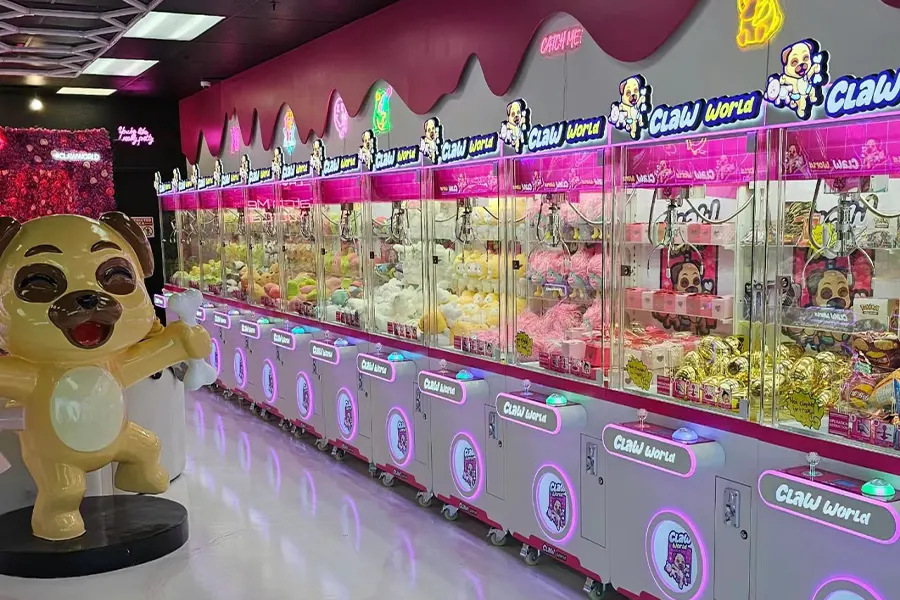
Klaue Maschine Preis Wirtschaftswissenschaften
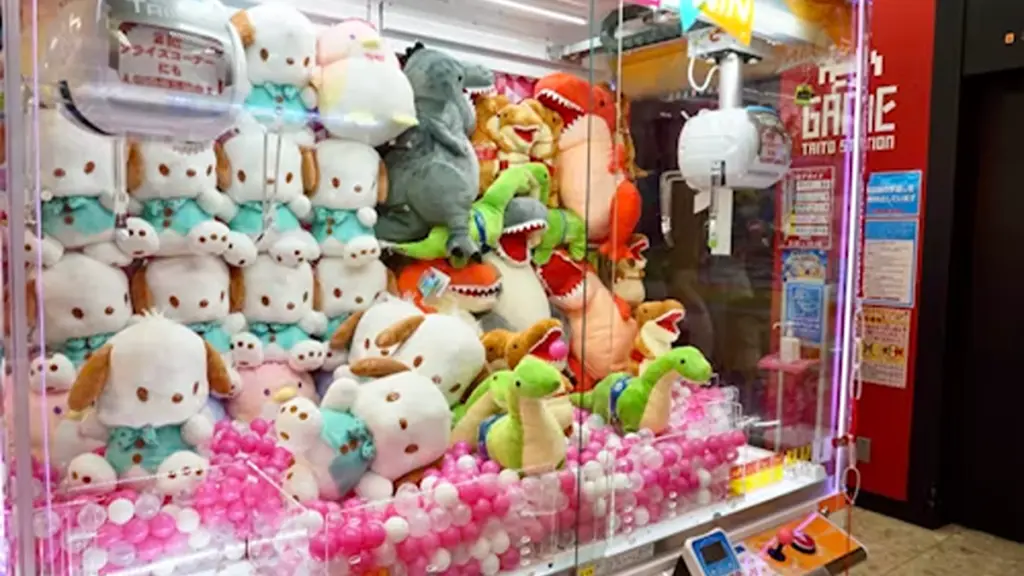
Preisverwaltung ist einer der wichtigsten Faktoren für die Rentabilität von Klauenmaschinen. Während Preise Betriebskosten darstellen, Sie sind auch ein Schlüsselfaktor, der die Kundenmotivation und Wiederholungsspiele beeinflusst.
Preispreis und wahrgenommenen Wert in Einklang bringen
Kunden beurteilen Preise nicht nur nach ihren Produktionskosten. Sie bewerten den Gesamtwert der Erfahrung, einschließlich der Aufregung, zu gewinnen.
A erfolgreiche Gewinnstrategie konzentriert sich auf:
- Attraktives Aussehen
- Kundeninteresse
- Angemessener Schwierigkeitsgrad
- Angemessene Betriebskosten
Zum Beispiel, Ein preisgünstiges Plüschtier mit attraktivem Design kann ein starkes Kundeninteresse wecken, während ein teurer Preis, der nicht zum Publikum passt, die Leistung möglicherweise nicht verbessert.
Betreiber sollten die Beziehung zwischen berücksichtigen:
Preispreis + Gewinnhäufigkeit + Kundennachfrage = nachhaltige Preisökonomie
Ziel ist es, die Begeisterung der Kunden aufrechtzuerhalten und gleichzeitig die Preisausgaben unter Kontrolle zu halten.
Verwalten von Gewinnraten und Maschineneinstellungen
Maschineneinstellungen haben direkten Einfluss auf die Kundenzufriedenheit und Rentabilität.
Wichtige Faktoren sind unter anderem:
- Krallenstärke
- Gewinnhäufigkeit
- Preispositionierung
- Maschinenschwierigkeit
Ein zu schwieriger Automat kann Kunden davon abhalten, erneut zu spielen. Eine Maschine, die zu leicht Preise ausgibt, kann die Kosten erhöhen und die Rentabilität verringern.
Erfolgreiche Betreiber schaffen ein ausgewogenes Erlebnis, bei dem die Kunden das Gefühl haben, eine angemessene Gewinnchance zu haben, während die Maschine finanziell tragfähig bleibt.
Je nachdem kann eine regelmäßige Anpassung erforderlich sein:
- Preistyp
- Standortverkehr
- Kundenverhalten
- Saisonale Nachfrage
Aufbau einer effektiven Preismix-Strategie
Ein starker Preismix umfasst in der Regel unterschiedliche Preisniveaus, um verschiedene Kundengruppen anzulocken.
| Preiskategorie | Zweck |
|---|---|
| Günstige Preise | Fördern Sie häufige Erfolge und halten Sie die Kundenbindung aufrecht |
| Mittelklassepreise | Erhöhen Sie Wiederholungsspiele und stärken Sie das Kundeninteresse |
| Premium-Preise | Schaffen Sie Anziehungskraft und verbessern Sie die Sichtbarkeit der Maschine |
Die ideale Gewinnkombination hängt vom Standort ab.
Zum Beispiel:
- Familienstandorte: Fordern Sie mehr auf Kinder ausgerichtete Preise.
- Einkaufszentren: Profitieren Sie von Trend- oder Sammlerstücken.
- Werbeveranstaltungen: Verwenden Sie Markenartikel.
Die regelmäßige Aktualisierung der Preise trägt außerdem dazu bei, die Neugier der Kunden aufrechtzuerhalten und zu wiederholten Besuchen anzuregen.
Auswirkungen des Standorts auf den Umsatz
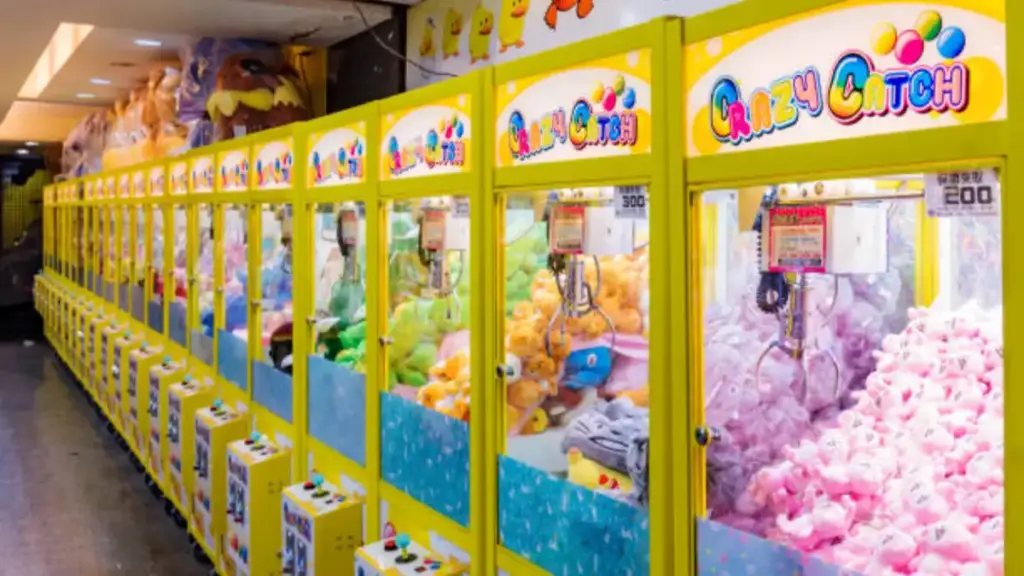
Der Standort ist einer der stärksten Faktoren, die die Leistung von Klauenmaschinen beeinflussen. Selbst eine hochwertige Maschine mit attraktiven Preisen kann Schwierigkeiten haben, wenn sie in einer ungeeigneten Umgebung aufgestellt wird.
Wie Fußgängerverkehr und Kundenverweildauer den Umsatz beeinflussen
Hohe Besucherzahlen sind wichtig, Aber die Verkehrsqualität ist genauso wichtig.
Die besten Standorte haben normalerweise:
- Hoher Kundenstrom
- Längere Wartezeiten
- Unterhaltungsorientierte Besucher
- Starkes Impulskaufverhalten
Ein Standort mit mäßigem Verkehr, aber längerer Verweildauer der Kunden kann einen geschäftigen Standort übertreffen, an dem sich die Besucher schnell fortbewegen, ohne anzuhalten.
Um das Gesamtsystem besser zu verstehen, siehe unsere Aufschlüsselung von
Auswahl leistungsstarker Standorte und Maschinenplatzierung
Zu den gängigen leistungsstarken Standorten gehören::
| Standort | Vorteil |
|---|---|
| Einkaufszentren | Großer Kundenverkehr und starke Unterhaltungsnachfrage |
| Kinos | Kunden müssen vor oder nach dem Kino warten |
| Familienunterhaltungszentren | Besucher erwarten bereits jetzt interaktive Spiele und Unterhaltung |
| Touristische Gebiete | Besucher haben oft eine höhere Kaufbereitschaft für Unterhaltung |
| Restaurants | Familien und Gruppen schaffen mehr Möglichkeiten zum Engagement |
Auch die Platzierung innerhalb eines Veranstaltungsortes ist wichtig, Gute Positionen umfassen:
- Eingänge
- Food-Courts
- Wartebereiche
- In der Nähe anderer Unterhaltungsattraktionen
Sie können erkunden Die besten Standorte für Klauenmaschinen für Ihr Unternehmen in diesem Artikel.
Standortgebühren und Umsatzbeteiligungsmodelle verstehen
An erstklassigen Standorten sind häufig höhere Gebühren erforderlich, da sie ein höheres Umsatzpotenzial bieten. Betreiber arbeiten in der Regel über verschiedene Partnerschaftsmodelle mit Veranstaltungsorteigentümern zusammen, Abhängig von der Standortart und dem erwarteten Umsatz.
| Standortvereinbarungsmodell | Wie es funktioniert |
|---|---|
| Feste monatliche Miete | Betreiber zahlen eine regelmäßige Gebühr für die Platzierung von Maschinen an einem bestimmten Standort |
| Umsatzbeteiligung | Veranstaltungsortbesitzer erhalten einen Prozentsatz der Einnahmen, die durch die Automaten erzielt werden |
| Partnerschaftsvereinbarung | Beide Parteien erstellen ein maßgeschneidertes Kooperationsmodell basierend auf den Geschäftszielen |
Das Geschäft skalieren
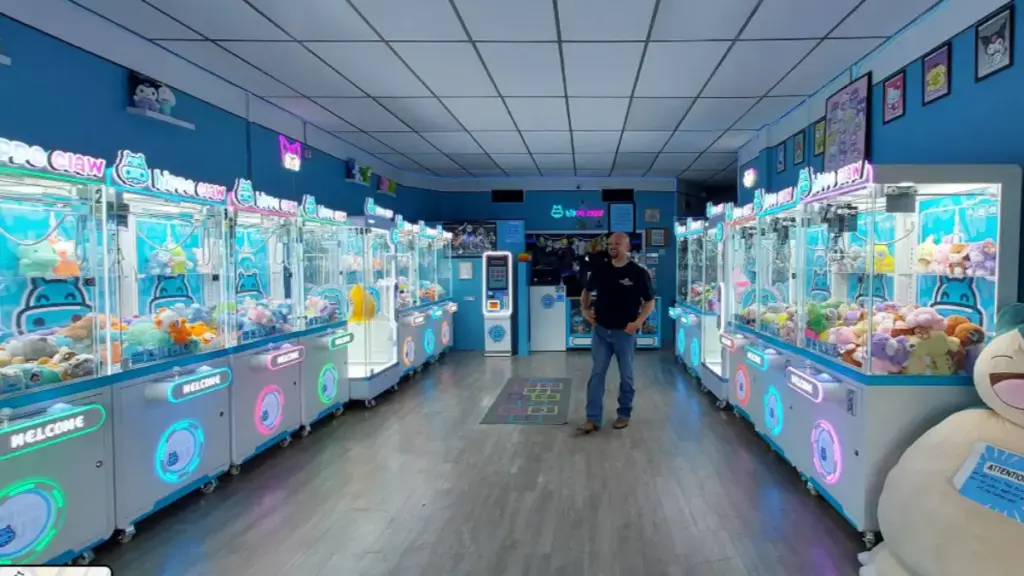
Erfolgreich aufbauen Klauenmaschinengeschäft erfordert mehr als nur das Hinzufügen weiterer Maschinen. Nachhaltiges Wachstum hängt von der Schaffung eines wiederholbaren Betriebsmodells ab.
Validierung eines profitablen Klauenmaschinen-Geschäftsmodells
Vor der Expansion an weitere Standorte, Betreiber sollten zunächst prüfen, ob ihr Klauenmaschinen-Geschäftsmodell stabile und wiederholbare Ergebnisse liefern kann. Das Testen einer kleinen Anzahl von Maschinen hilft dabei, herauszufinden, welche Faktoren zu einer besseren Leistung beitragen und welche Bereiche verbessert werden müssen.
Zu den wichtigsten zu überwachenden Leistungsindikatoren gehören::
- Umsatz pro Maschine: Misst, ob jeder Standort ausreichende Einnahmen generiert.
- Betriebskosten: Zeigt, wie sich Ausgaben auf die Gesamtrentabilität auswirken.
- Preisausgaben: Hilft, die Kosten für die Aufrechterhaltung der Kundenbindung zu kontrollieren.
- Kundenreaktion: Zeigt ob Preise anfallen, Maschinendesign, und das Gameplay ziehen Wiederholungsspieler an.
- Standortleistung: Identifiziert, welche Veranstaltungsorte die stärksten Umsatzchancen bieten.
Wenn Sie mit einer kleinen Anzahl von Maschinen beginnen, können Betreiber ihre Abläufe optimieren und vor der Erweiterung ein profitables Modell bestätigen.
Ausbau von Maschinennetzwerken und Unternehmensstandorten
Nach dem Aufbau eines profitablen Betriebs, Betreiber können durch expandieren:
- Hinzufügen von Maschinen zu bewährten Standorten: Steigende Maschinenzahlen an Veranstaltungsorten, die bereits ein starkes Kundenengagement und Umsatzpotenzial aufweisen.
- Neue Veranstaltungsorte betreten: Bewerbung erfolgreicher Standort, Preisgestaltung, und Preisstrategien für ähnliche Geschäftsumgebungen.
- Stärkere Partnerschaften entwickeln: Aufbau langfristiger Beziehungen zu Einkaufszentren, Unterhaltungszentren, und Einzelhandelsbetreiber.
- Schaffung spezieller Klauenmaschinenbereiche: Entwicklung größerer Spielzonen, die das Kundenerlebnis verbessern und den Gesamtumsatz steigern.
Aufbau effizienter Abläufe für großes Wachstum
Das Geschäftswachstum bringt neue betriebliche Herausforderungen mit sich, insbesondere wenn Bediener mehrere Maschinen an verschiedenen Standorten verwalten. Standardisierte Systeme und zuverlässiger Support werden für die Steuerung der Geräteleistung unerlässlich, Inventar, und den täglichen Betrieb.
Zu den Schlüsselbereichen für einen effizienten Großbetrieb gehören::
- Leistungsmanagement: Verfolgung des Maschinenumsatzes, Standortergebnisse, und Betriebsdaten zur Optimierung der Flottenleistung.
- Bestandsplanung: Aufrechterhaltung eines ausreichenden Preisangebots bei gleichzeitiger Kontrolle der Einkaufskosten.
- Wartungsplanung: Reduzierung von Ausfallzeiten durch regelmäßige Inspektionen und vorbeugenden Service.
- Betriebssysteme: Erstellen Sie standardisierte Prozesse, um mehrere Maschinen konsistent zu verwalten.
Während dieser Wachstumsphase, Auch eine zuverlässige Fertigungsunterstützung wird immer wichtiger. Die Zusammenarbeit mit einem erfahrenen Klauenmaschinenhersteller kann dabei helfen:
- Gleichbleibende Produktionsqualität: Gewährleistung einer stabilen Leistung auf mehreren Maschinen.
- Kundenspezifische Maschinenlösungen: Unterstützung verschiedener Standorte und Geschäftsanforderungen.
- OEM/ODM-Dienste: Entwicklung maßgeschneiderte Maschinen für bestimmte Märkte.
- Technische Unterstützung: Reduzierung betrieblicher Herausforderungen während des Langzeiteinsatzes.
Letzte Gedanken
Ein profitables Klauenmaschinengeschäft erfordert eine ausgewogene Umsatzplanung, Kostenkontrolle, Preismanagement, und zuverlässige Ausrüstung. Betreiber, die diese Schlüsselbereiche optimieren, können einen stabileren Betrieb aufbauen und langfristige Wachstumschancen schaffen.
Bei Tongru-Klauenmaschine, Wir bieten Standard- und kundenspezifische Klauenmaschinenlösungen mit OEM/ODM-Unterstützung und gleichbleibender Fertigungsqualität. Kontaktieren Sie uns, um Ihr Projekt zu besprechen und Finden Sie die richtige Lösung für Ihren Markt.
Häufig gestellte Fragen
Was sind die größten Missverständnisse über die Rentabilität von Klauenmaschinen??
Das größte Missverständnis ist, dass Klauenmaschinen eine passive Einkommensquelle sind. In Wirklichkeit, Die Rentabilität hängt von der aktiven Managementdisziplin ab. Wesentliche Treiber sind die Sicherung qualitativ hochwertiger Standorte, Kontrolle der Preiskosten pro Gewinn durch Großeinkauf und Auszahlungskonfiguration, Verwaltung von Miet- oder Umsatzbeteiligungsvereinbarungen, und die Wahrung der wahrgenommenen Fairness, um Wiederholungsspiele zu fördern. Erfolg entsteht dadurch, dass jede Maschine als aktiv verwaltetes Einzelhandelsprodukt behandelt wird.
Warum generieren zwei Standorte mit ähnlichem Fußgängerverkehr oft unterschiedliche Umsätze??
Der starke Fußgängerverkehr ist nur der Ausgangspunkt; Qualifizierte Aufmerksamkeit und Konversion sind wichtiger. Umsatzunterschiede ergeben sich aus der Zielgruppe und der Verweildauer, die Sichtbarkeit und Platzierung der Maschine innerhalb des Veranstaltungsortes, wie gut die Preise zum lokalen Interesse passen, die Schwierigkeitsstufen des Spiels, und die Preisstrategie. Ein Standort mit Interesse, Verweilende Besucher werden einen Ort mit Eile immer übertreffen, uninteressierter Verkehr, auch wenn die Zahlen gleich sind.
Was sind die wichtigsten Geschäftskennzahlen, die wöchentlich überwacht werden sollten??
Für jede Maschine, Betreiber sollten den wöchentlichen Umsatz überwachen, Gesamtspiele, Sieg zählen, Gewinnrate, Preiskosten verbraucht, Gewinnspanne, und Verfügbarkeitsprozentsatz. Auf Standortebene, Verfolgen Sie den Gesamtumsatz und den Gewinn nach Abzug etwaiger Miet- oder Umsatzbeteiligungsgebühren. Diese Kennzahlen helfen dabei, leistungsschwache Maschinen zu identifizieren und Entscheidungen über den Preismix zu treffen, Preisgestaltung, und Wartung.
Wann sollte ein Betreiber an neue Standorte expandieren oder bestehende Standorte optimieren??
Ein Betreiber sollte zunächst bestehende Maschinen optimieren, bis diese dauerhaft stark produzieren, Stabile Nettogewinne mit kontrollierten Preiskosten und hoher Betriebszeit. Priorisieren Sie die Expansion erst dann, wenn die Optimierungsbemühungen zu sinkenden Erträgen führen. Der richtige Zeitpunkt für eine Expansion ist, wenn Sie über eine bewährte Lösung verfügen, Wiederholbares Erfolgsmodell und die operative Kapazität, neue Standorte ohne Leistungseinbußen auf Ihrer aktuellen Route zu bedienen.