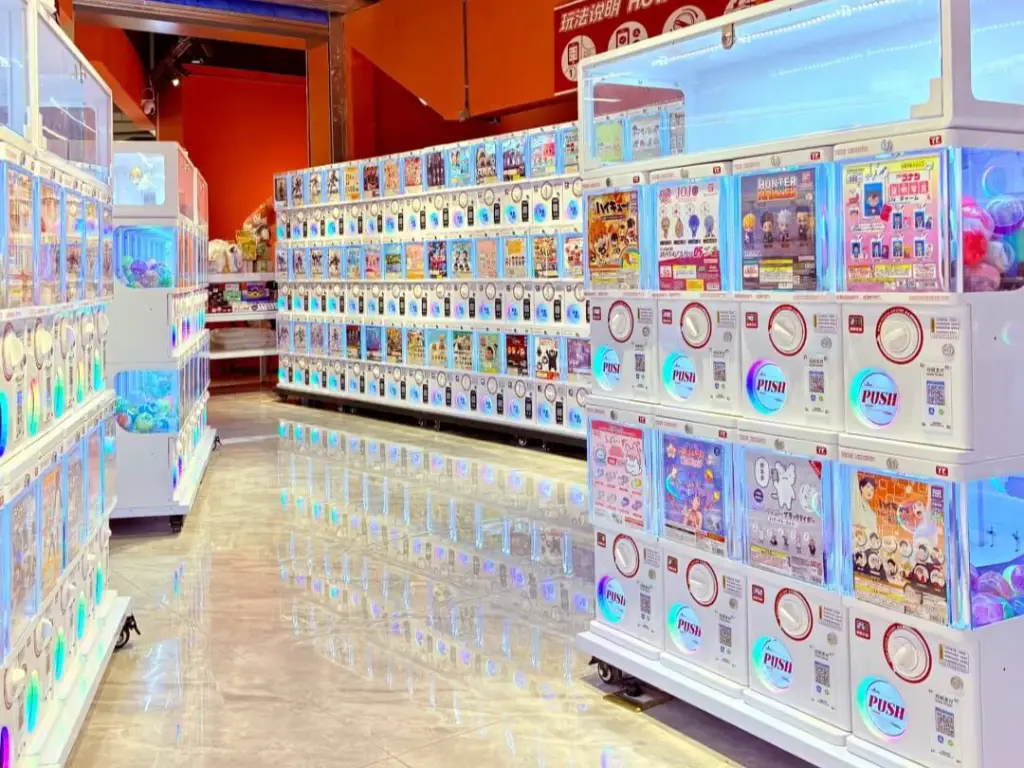


Two arcades with the same footprint and the same budget can produce very different floors, and the difference usually starts with one decision: which role every machine on the floor is meant to play. That decision, the machine mix, shapes who stays longer, who comes back, and how quickly a weak spot shows up in the weekly numbers.
This guide walks through the mix in three steps: what each machine category contributes, how those contributions combine into a working floor, and how the balance shifts with arcade size. It ends with the numbers worth tracking weekly, because a mix is never proven on paper. Only your own floor data can confirm it.
Why Arcades Mix Machine Categories
Different visitors come for different reasons. Some want a prize they can see and chase; others want a quick competition with friends; families with young children need games their kids can actually play. A single-category floor serves one of these motivations well and leaves the rest to walk past. Mixing categories widens the range of visit reasons your floor can absorb.
The second reason is resilience. Every category has a life cycle: novelty cabinets age fastest, prize appeal shifts with seasons and trends, and even proven earners need refreshing eventually. When a floor depends on one category, a shift in demand hits everything at once. When it is spread across several categories, the same shift touches only part of the floor, and the weekly numbers show it early.

What Each Machine Category Contributes
Each arcade machine category serves a different purpose, from encouraging repeat play to attracting families. Understanding these roles helps operators build a balanced mix for their arcade.
The Role Each Category Plays in a Mix
Most arcade and FEC floors draw on a handful of categories. The table below describes the role each one can play and, just as important, what it depends on to play that role well. None of these roles earns by default. The same category can anchor one arcade and sit underused in another, depending on the conditions in the third column.
| Machine category | Role it can play | What it depends on |
|---|---|---|
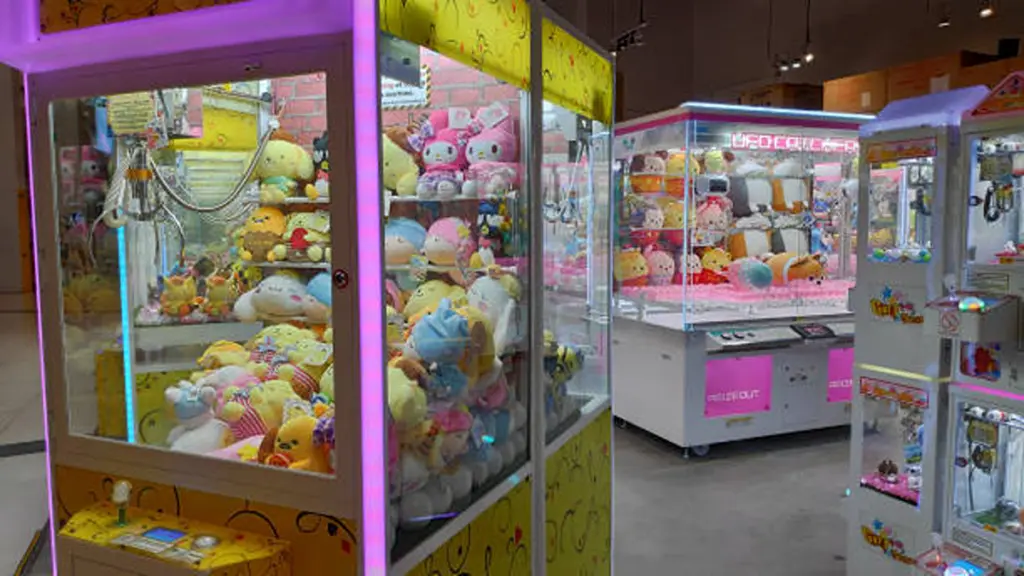
| Claw machines and prize cranes | Impulse converter and prize anchor. Low barrier to try, highly visible prizes. | Prize appeal and turnover, claw settings that feel fair, placement along natural walking paths. |
| Redemption and ticket games | Repeat-play driver. The play, tickets and prize loop brings players back over days and weeks. | A prize counter worth saving for, ticket values that keep the loop moving, disciplined restocking. |
| Video, racing and sports cabinets | Variety and dwell time. Gives teens and groups a reason to stay past one round. | Audience match in age and competitive appetite, up-to-date titles, working controls. |
| RV, simulators and motion rides | Anchor attraction. Pulls attention and supports premium per-play pricing. | Enough traffic to fill sessions, dedicated space and power, closer maintenance attention. |
| Kiddie rides and novelty units | Family coverage. Keeps younger visitors engaged while the rest of the group plays. | Family footfall, a small maintenance footprint, placement near waiting or rest points. |
Factors That Affect Arcade Machine Performance and Revenue
The performance of an arcade machine mix depends on more than the equipment itself. Operators should evaluate the following factors when deciding which machine types to install and how to allocate floor space.
Factors That Affect Arcade Machine Performance and Revenue
The performance of an arcade machine mix depends on more than the equipment itself. Operators should evaluate the following factors when deciding which machine types to install and how to allocate floor space.
- Machine Placement: Visibility and foot traffic affect how often players notice and use a machine. Placing claw machines near entrances or along natural walking paths can increase exposure, while poorly positioned cabinets may receive little attention even in busy arcades.
- Prize Appeal and Availability: Claw machines and redemption games rely on prizes that match the target audience. Regular restocking, appealing prize selections and appropriate ticket values help maintain interest and encourage repeat visits.
- Audience and Arcade Type: The machine mix should match the venue’s main visitors. Family entertainment centers may need more kiddie rides and accessible redemption games, while locations serving teenagers and adults may benefit from racing cabinets, sports games and simulators.
- Floor Space and Layout: Large simulators and motion rides require more space than standard arcade cabinets. Operators should consider both the number of machines and their revenue potential per square foot when planning the layout.
- Maintenance and Operating Costs: Machine downtime reduces earning opportunities. Electricity consumption, repair frequency, replacement parts and staffing requirements also affect profitability, particularly for equipment with complex mechanical or motion systems.
- Game Variety and Repeat Play: A balanced arcade machine mix gives visitors different ways to play. Combining quick-play games with competitive cabinets, redemption games and larger attractions can accommodate different preferences and encourage longer visits.
- Acompanhamento de desempenho: Published rankings of top-earning arcade machines provide general reference points, not guaranteed results. Operators should track plays per day, receita por máquina, downtime and revenue per square foot to identify underperforming units and determine whether to adjust placement, pricing or the machine mix.
Planning Your Arcade Machine Mix?
Turning Roles into a Working Mix
Choosing the right arcade machine mix requires balancing revenue potential, audience preferences, floor space and operating costs. The following steps help operators plan and evaluate their equipment mix.
Three Mix Patterns Operators Start From
Most working floors resemble one of three starting patterns. Treat them as templates, not targets. Each one needs adjusting to the traffic your location actually gets.
- Redemption-led: the floor leans on claw, crane and ticket games, with video and novelty units in support. Common in family-dominant arcades where the prize loop drives repeat visits.
- Balanced mixed-use: near-equal weight across earners, dwell-time games, and one or two anchors. Suits arcades serving several audience types at once.
- Evergreen plus rotation: a stable base of proven performers plus one or two slots reserved for new attractions. Suits operators who want steady cash flow without ignoring novelty demand.
Four Balances to Check Before You Buy
- Revenue balance: enough repeat-play drivers to carry the floor, but not so many that they compete for the same players.
- Audience balance: every major visitor type, from young children to competitive teens and adults, has something worth playing.
- Risk balance: no single category accounts for so much of the floor that one demand shift or downtime spell hurts everything.
- Maintenance balance: complex premium units are offset by simpler machines, so uptime never depends on one technician.
Validate the Mix with Your Own Floor Data
A mix is a hypothesis until the floor has run on it for a few weeks. The numbers that matter are per-machine weekly revenue, plays per hour, uptime, and prize cost against prize revenue. Read them within your own floor first: compare machines against their neighbours doing the same job, not against figures from another venue with different traffic. For the productivity side of the same exercise, o revenue per square metre breakdown shows how operators turn these numbers into layout decisions.
Cost data belongs in the same review. A category can look healthy at the coin box and still underperform once rent share, power, prize restocking and maintenance are counted. O operating cost breakdown lists the line items worth tracking. A machine that stays weak against its own category’s conditions, not just against the floor average, becomes the first candidate for relocation or replacement.
Planning an Arcade Machine Mix for Different Arcade Sizes
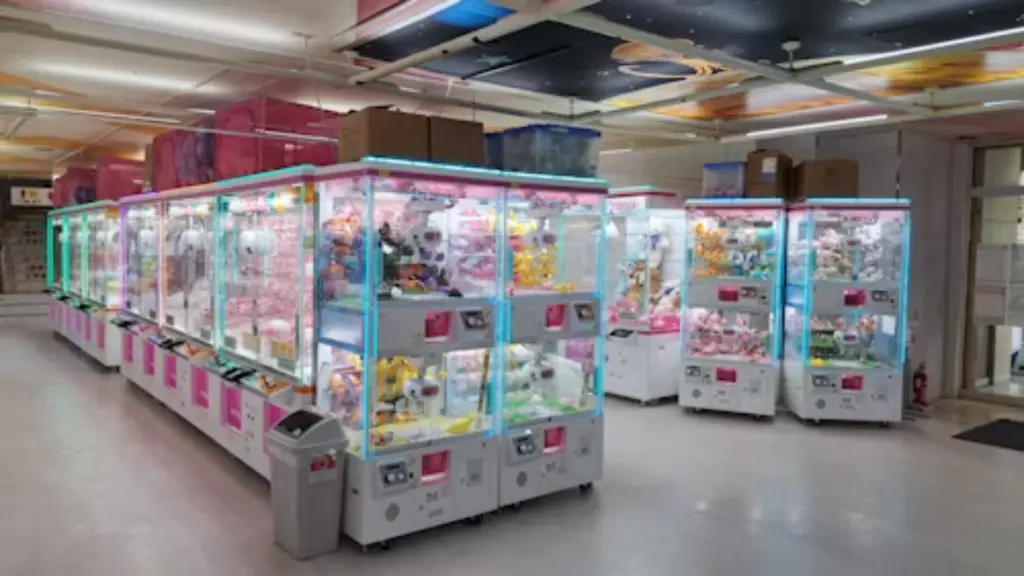
Arcade size affects how many arcade machine types operators can accommodate and how they should arrange them to make the most of the available floor space.
Small Arcades: Focus on a Core Machine Mix
Small arcades need a focused arcade machine mix that fits their available space and customer demand. Instead of covering every machine category, operators can start with two or three complementary types, como máquinas de garras, redemption games and video cabinets.
When planning the layout, prioritize:
- Machine Accessibility: Leave enough room for players to approach machines and move between games.
- Queue and Maintenance Space: Allow room for waiting players, prize displays and routine equipment servicing.
- Expansion Potential: Start with proven machine types and add new categories as customer demand grows.
This approach helps small arcades offer variety without overcrowding the floor or allocating too much space to machines with limited use.
Medium Arcades: Create Zones for Different Play Styles
Medium-sized arcades can support a wider range of arcade machines and organize them into clear zones. Por exemplo, operators can place claw machines and redemption games along main walking paths, group racing and video cabinets in a shared gaming area, and position a simulator near the entrance to attract attention.
A zoned layout should account for how visitors move through the arcade and interact with different games. Operators should focus on three areas:
- Game Grouping: Place machines with similar play styles together so visitors can easily find activities that interest them.
- Traffic Flow: Keep queues around popular machines from blocking nearby games, entrances or seating areas.
- Flexible Layout: Leave room to adjust machine quantities or replace underused units without redesigning the entire floor.
These zones make it easier to serve different visitor groups while allowing operators to adjust the mix as demand changes.
Large Arcades: Build Distinct Zones Around Key Attractions
Large arcades and family entertainment centers can combine several gaming areas, each serving a different purpose. A major simulator or racing attraction can draw visitors toward one area, while nearby video cabinets, prize games and family rides give them more activities to try during the same visit.
As the number of machines grows, operators need a clear plan to prevent areas from becoming difficult to navigate or attracting too little attention. Key priorities include:
- Anchor Attractions: Position major simulators or racing games where they can attract attention and encourage visitors to explore nearby areas.
- Zone Visibility: Use clear sightlines, visible entrances and signs to help visitors find different gaming areas.
- Area-Level Performance: Compare machine usage and revenue across zones to identify where to add equipment, change the layout or replace underused machines.
Managing each zone as part of the overall arcade machine mix helps operators expand according to customer demand rather than simply increasing the total machine count.
Common Mistakes When Mixing Arcade Machine Types
Most mix problems trace back to a handful of decisions made before the first machine was placed:
- Copying another arcade’s mix, including its counts and ratios, without its traffic, space or audience.
- Adding anchor attractions faster than the earners needed to feed them.
- Spreading the budget across too many categories and leaving none of them deep enough to build a loop.
- Judging machines by coin-in alone and ignoring prize cost, maintenance and the conditions each category needs.
- Letting weak units sit for months because removing them feels like admitting a mistake.
None of these are exotic failures. They are the default outcome of filling a floor without assigning roles first, and the list is worth re-reading before every order rather than after the floor is set.
Considerações Finais
Um bem planejado arcade machine mix should match your arcade size, target audience and operating goals. Start with a practical combination of claw machines, jogos de resgate, video cabinets and other attractions that suit your space. Track revenue per machine, uptime, player activity and operating costs to see which equipment performs well. Use these results to adjust machine quantities, improve the layout and identify opportunities for expansion.
Before investing in additional equipment, test changes on a smaller scale and review their results. Tongru offers arcade machines for different arcade needs. Entre em contato com Tongru to discuss your project requirements and find suitable equipment for your arcade.
Perguntas frequentes
How many types of arcade machines should an arcade have?
The number depends on the arcade’s floor space, target audience and budget. Small arcades can start with two or three complementary machine types, while larger arcades and family entertainment centers can support more categories and dedicated gaming zones.
What is the best mix of arcade machines for a family entertainment center?
A family entertainment center can combine claw machines, jogos de resgate, video cabinets, kiddie rides and selected simulators. The final mix should reflect the age groups it serves, available floor space and demand for different gaming experiences.
Should I prioritize claw machines or redemption games in my arcade?
Claw machines can attract players with visible prizes and quick gameplay, while redemption games encourage repeat play through ticket collection and prize redemption. Operators should compare local demand, custos de prêmios, machine prices and available floor space before deciding how much space to allocate to each category.
How do I calculate the right number of arcade machines for my arcade?
Start with the usable floor area, then account for machine dimensions, player clearance, aisles, queues and operating space. The final count should also reflect the machine mix and arcade layout. A floor plan helps determine how many machines the arcade can accommodate without restricting customer movement.
How can I reduce the risk of investing in the wrong arcade machines?
Start with a focused machine mix and track revenue per machine, joga por dia, downtime and operating costs after opening. Compare machines serving similar purposes, then adjust their placement or replace underperforming units before investing in more equipment.
When should an arcade operator change the machine mix?
Review performance regularly and look for consistent changes in player activity, revenue and maintenance costs. Consider changing the mix when a machine continues to underperform, customer demand shifts or a new attraction could make better use of the available space. Test changes on a small scale before expanding them across the arcade.