

Not every custom claw machine requires a completely new design. Depending on the project, buyers may only need a branded cabinet, a different control panel, customized lighting, specific PCB functions, or a few changes to an existing model. The key is knowing which parts can be customized, what information the supplier needs, and which changes may affect cost, Adedi, üretme, or testing. Defining the customization scope early makes it easier to prepare a clear brief and compare quotes on the same requirements.
What ‘Custom Claw Machine’ Actually Covers
Buyers preparing their first branded order often ask, “Can you customize it?” The more useful question is, “What exactly can be changed, and what does each change involve?” Customization is not a yes-or-no option. It can range from adding artwork to a standard cabinet to developing a completely new machine, with each level bringing different design work, maliyet, minimum order requirements, and lead times.
The customization scope can be broken into four levels, from branding and cabinet styling to game functions, PCB changes, and full ODM development. Knowing where a requirement falls on this scale helps buyers define the brief more precisely and understand what needs to be confirmed before requesting a quote.
Seviye 1: Logo, Graphics and Branding
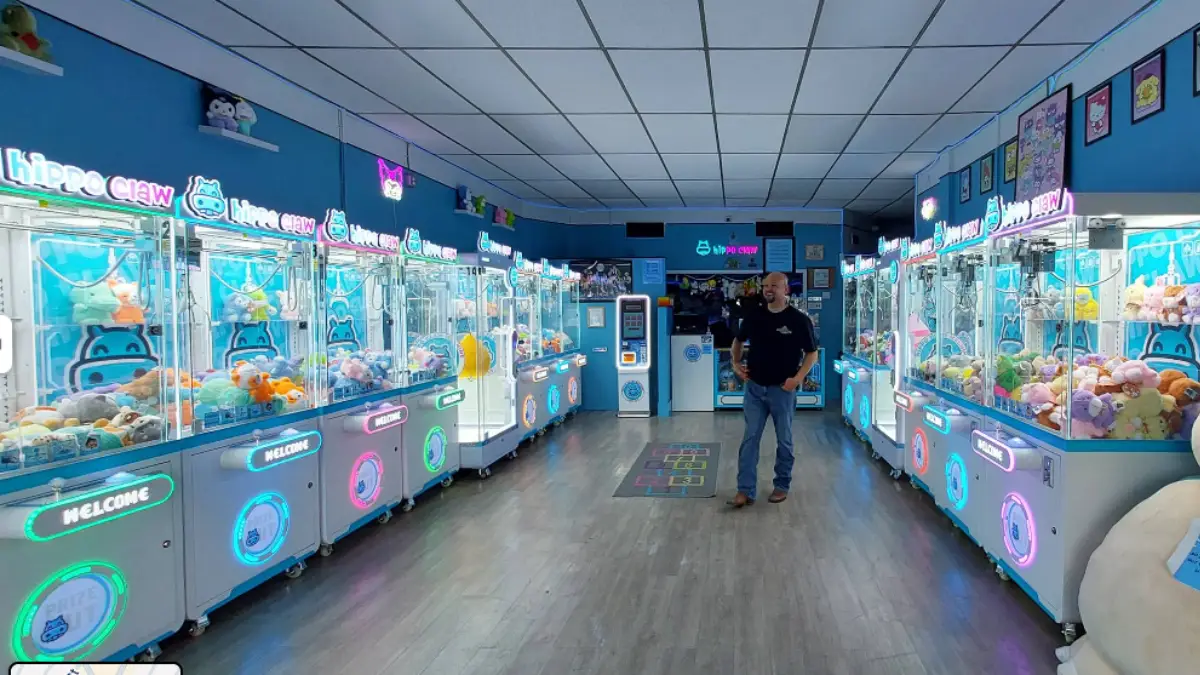
Logo and graphic customization is the simplest way to turn a standard claw machine into a branded product. Instead of changing the machine itself, buyers can apply their visual identity to selected areas of the cabinet, making this a practical starting point for a first branded order.
Where Your Brand Appears
Branding can be applied to different areas depending on the cabinet design, içermek:
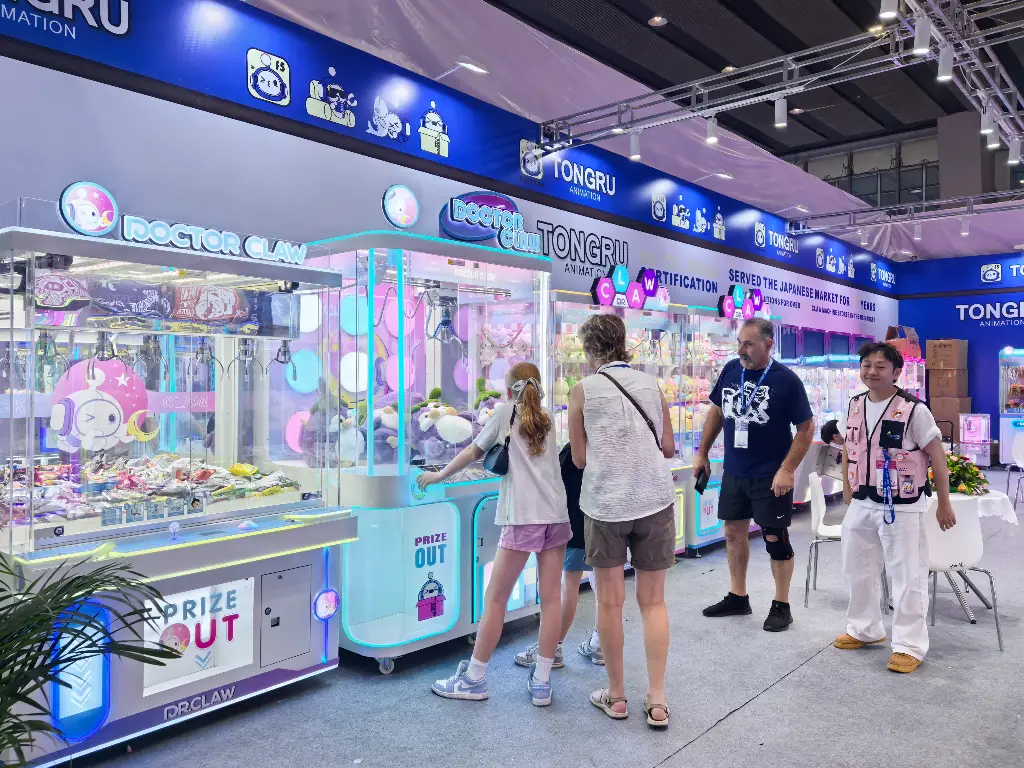
- Marquee and light box: Useful for the main logo or brand name that needs to be visible from a distance.
- Side panels: Suitable for larger graphics, patterns, or supporting brand visuals.
- Front panels: Can carry logos, product graphics, or themed artwork in areas visible to players.
- Stickers and decorative elements: Useful for smaller graphics or additional branding details.
The available areas depend on the machine model, so confirm the placement against the cabinet layout before production. A logo that looks balanced on a digital mockup may need adjustment when viewed at the actual cabinet size.
Writing the Logo Brief
A clear logo brief should include more than the artwork file. Confirm the following before the design is finalized:
- Artwork format: Provide a high-resolution logo or vector file where possible.
- Atama: Identify the preferred cabinet areas and any minimum or maximum logo size.
- Renk: Provide brand colors or color references if an exact match matters.
- Dil: Specify whether the machine needs different language versions for different markets.
- Additional graphics: Include patterns, character artwork, slogans, or other visual elements that should appear alongside the logo.
- Venue requirements: If the machine will be placed in a themed venue, provide the relevant visual guidelines or reference images.
For multilingual or highly customized branding, confirm the additional requirements and MOQ with the supplier before production. Getting these details into the brief early makes the design review and final approval much easier.
Seviye 2: Cabinet Color, Shape and Lighting
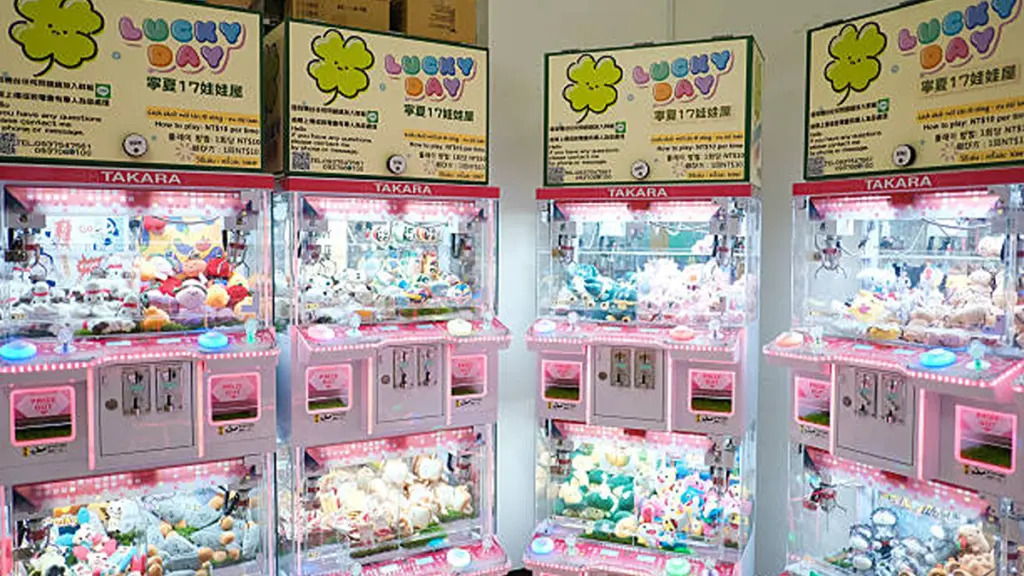
The second level goes beyond logo placement and changes the machine’s overall appearance. Cabinet color, finish, shape, grafikler, and lighting can all affect how the machine fits a brand, venue, or themed entertainment space. These details should be defined during the design stage so the approved concept becomes the reference for production.
Cabinet Colors and Styling
Cabinet customization can involve more than choosing a color. Depending on the project, buyers may need to specify:
- Renk: Brand colors, accent colors, or a specific color palette.
- Finish: Glossy, matte, metallic, or other surface treatments.
- Shape: Changes to cabinet proportions, decorative elements, or structural appearance.
- Graphics: Patterns, character artwork, themed visuals, or other printed elements.
- Brand references: Existing packaging, store interiors, brand guidelines, or reference images that show the intended look.
Reference images are usually more useful than broad descriptions such as “modern” veya “premium.” If a specific color matters to the brand, provide a color reference or standard where possible.
Planning the Lighting Layout
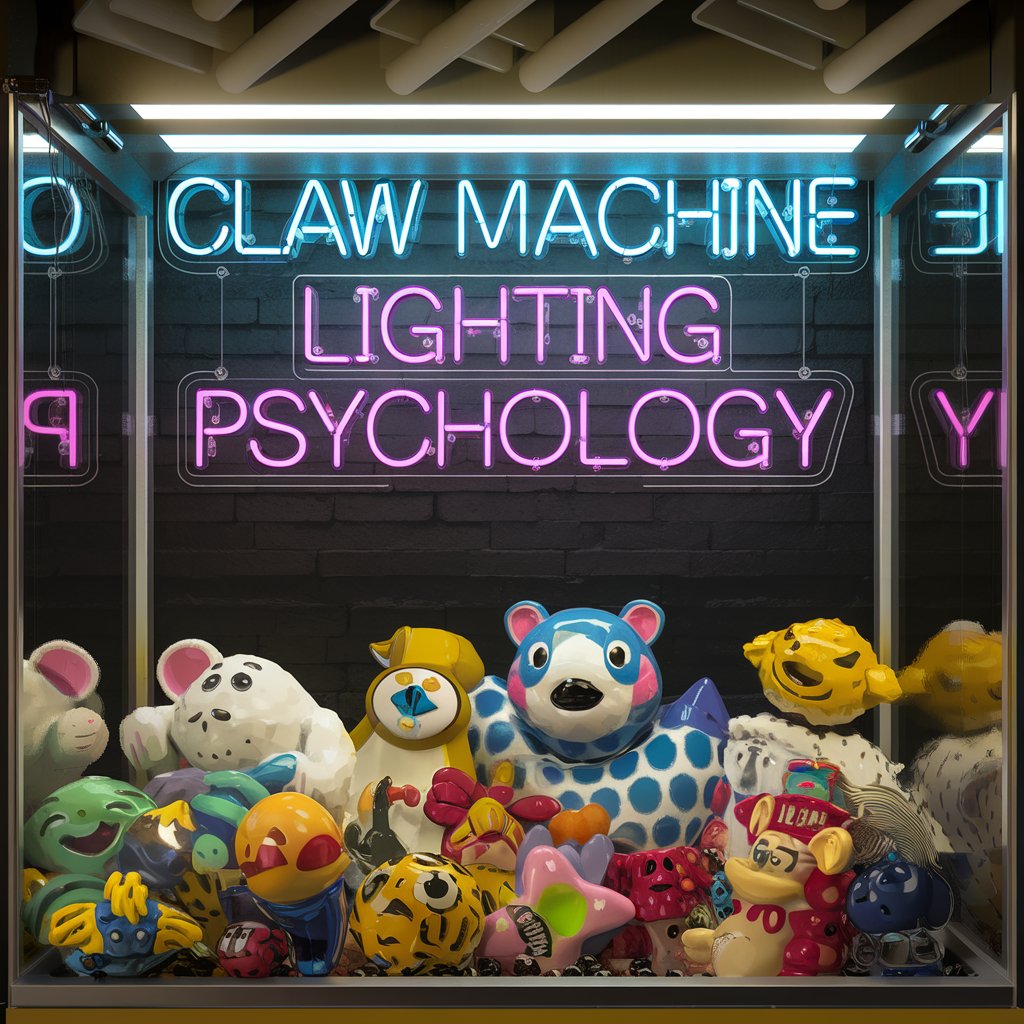
Lighting is both a visual and functional part of a claw machine. It can affect how easily the machine attracts attention, how it fits into a themed area, and how the products inside are presented.
When preparing a lighting brief, dikkate almak:
- Brightness: How visible should the machine be from across the venue?
- Renk: Should the lighting match the brand or follow a particular theme?
- Effect zones: Which areas should be illuminated, such as the marquee, cabinet edges, play area, or prize display?
- Operating behavior: Should the lights remain static or use specific effects during gameplay?
The final lighting arrangement should be confirmed together with the cabinet design rather than treated as a separate detail after production begins. This reduces the risk of a machine that meets the functional requirements but does not match the intended visual presentation.
Have a Custom Claw Machine in Mind?
Seviye 3: Configuration, PCB and Game Function
The third level changes how the machine operates, rather than only how it looks. It covers both the machine’s operating settings and the PCB-level functions that control gameplay. These changes are especially relevant for operators who need different difficulty, ödeme, ödül, or player configurations across different locations or machine types.
Pençe, Prize and Payout Configuration
The operational layer determines how the machine plays and how it handles prizes. Depending on the cabinet, buyers may need to specify:
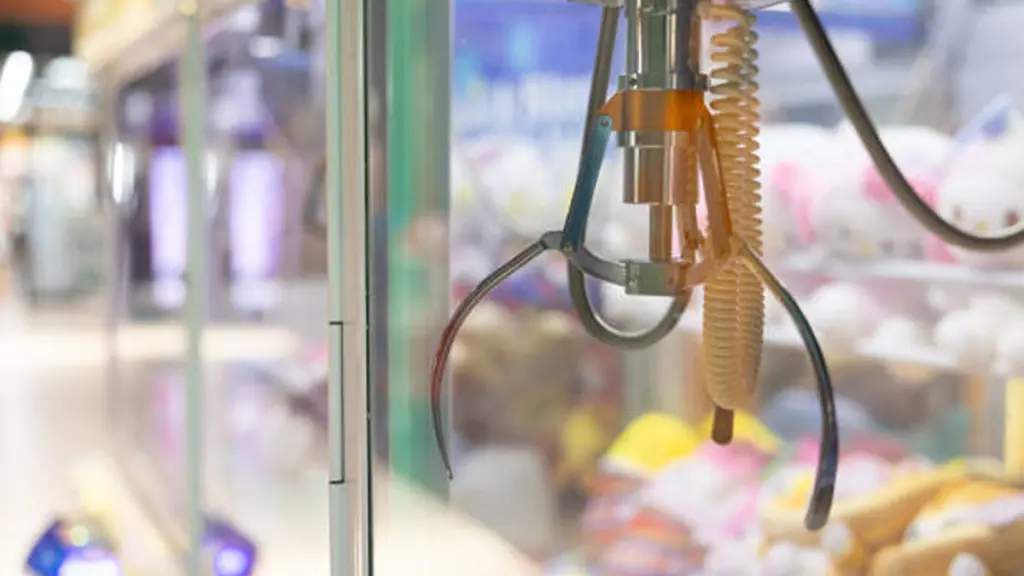
- Claw configuration: Tek oyunculu, two-claw, four-player, or other machine formats.
- Oyun Ayarları: Difficulty, oyun süresi, and other operating parameters.
- Payout settings: How frequently the machine is intended to award prizes and how the settings fit the operator’s prize economics.
- Prize requirements: Prize size, weight range, display visibility, and how easily staff can restock the cabinet.
- Machine format: Specialized formats such as barber-cut scissors or key-claw machines may require different configurations from standard claw machines.
These details should be included in the initial brief rather than left to the supplier to interpret later. A machine can look exactly as expected while still playing differently from what the operator intended.
PCB-Level Function Changes
PCB customization goes deeper into the machine’s control system. Depending on the project, it may involve changes to gameplay logic, claw behaviour, difficulty settings, control functions, or other electronic features.
Before requesting PCB customization, clarify:
- Which functions need to change? Describe the desired behaviour rather than simply asking for a “custom PCB.”
- Which settings need to be adjustable? Some projects require operators to change parameters after installation.
- What needs to be tested? Confirm which gameplay functions and operating conditions must be verified before production.
- Does the change apply to one model or multiple machines? This can affect development work, test, and future production.
For buyers ordering multiple machines or operating across different venues, PCB-level customization can be useful when the same cabinet needs to support different gameplay or operating requirements. The key is to define the required functions clearly before the supplier starts development and testing.
Seviye 4: Full ODM — Designing a Machine from Scratch
Full ODM applies when a standard machine cannot deliver the product you need. Instead of modifying an existing cabinet, the supplier develops a new machine around your concept, such as a proprietary game format, brand-specific cabinet, unusual venue requirement, or completely new visual direction.
The development process typically moves through several stages:
- Concept brief: Define the machine’s purpose, target venue, player capacity, prize format, boyutlar, and overall design direction.
- 2D and 3D design: Turn the requirements into cabinet drawings and 3D visuals for review.
- Prototype development: Build a physical sample to verify the structure, dış görünüş, functions, and play experience.
- Testing and revision: Identify design or functional issues and make the necessary adjustments.
- Üretme: Finalize the approved design, tooling, components, and production specifications before moving into manufacturing.
At this level, the buyer should also clarify several points before development starts:
- Design ownership: Who owns the final drawings and newly developed design?
- Prototype terms: How many revision rounds are included, and how are additional samples charged?
- Tooling: Which tooling costs are included in the quotation, and which are charged separately?
- Future production: Can the same design be reproduced for later orders, and will the specifications remain on file?
- Functional requirements: Which game functions, PCB settings, aydınlatma efektleri, and prize configurations need to be built into the new machine?
For buyers comparing ODM suppliers, look for evidence of actual product development rather than relying only on a supplier’s claim of “custom design.” Original machine models, prototypes, technical drawings, production samples, and documented development projects can help show whether a supplier has experience taking a concept through to a manufacturable product.
What Each Level Adds to Cost, MOQ and Lead Time
The deeper the customization, the more it can affect cost, minimum order requirements, and production time. The exact impact depends on the machine, malzemeler, components, and development work involved, so buyers should confirm these points against the final design rather than relying on a standard customization price.
| Customization Level | Cost Impact | Adedi | Kurşun zamanı |
|---|---|---|---|
| Logo & grafikler | Free of charge | İtibaren 1 makine (standard terms) | Standard 30-day volume schedule |
| Kabine & aydınlatma | Design round + materials delta, quoted with the concept | Quoted per project | Standard schedule + design phase |
| Function & PCB'ler | Board configuration and testing, quoted per spec | Quoted per project | Confirmed with the functional spec |
| Full ODM | Tasarım + prototip oluşturma + tooling, staged across milestones | Quoted per project | Design → sample → production, dated at each milestone |
For a first custom order, confirm four things before approving production:
- What is included in the quoted customization? Check whether design work, malzemeler, tooling, PCB changes, and testing are included or charged separately.
- What MOQ applies to your specific changes? A standard machine may be available in small quantities, while certain components or custom parts may require a higher volume.
- Which stage determines the lead time? Ask whether the quoted timeline starts from order confirmation, design approval, prototype approval, or another milestone.
- Can you approve a sample first? A physical sample can reveal issues with appearance, boyutlar, functions, or playability before a larger production run.
For a broader comparison of when customization makes sense, see this standard vs. custom claw machine comparison.
Son Düşünceler
Customizing a claw machine starts with defining the scope, not simply asking for a custom quote. Decide whether your project needs branding, cabinet and lighting changes, functional or PCB adjustments, or a completely new ODM design. Then confirm the expected cost, Adedi, kurşun zamanı, and approval process for that level of customization.
A clear brief gives both sides the same starting point and makes the final quotation easier to evaluate. If you already have a concept in mind, you can work through the OEM/ODM customization hub or submit your requirements to the one-stop custom manufacturing team for a free 2D/3D concept before moving into quotation.
Sıkça Sorulan Sorular
What can be customised on a claw machine?
Four levels: logo and graphics on a standard model; cabinet colour, shape and lighting; function — covering claw setup, prize and payout configuration plus PCB-level game changes; and full ODM design of a new machine from scratch. Logo, sticker and lighting work is free from a one-machine minimum, while the upper levels are quoted per project. Write the brief level by level rather than asking for “custom” as a single item.
What is included in logo customization?
Your brand artwork applied to a machine from the standard range: placement confirmed against the cabinet’s visual layout — light box areas and side panels — with the machines built on the standard production line, free of charge from a one-machine minimum. It is the lightest level of design overhead, which keeps it workable for small first orders, and it can be combined with cabinet or function levels in the same brief.
Can I change the cabinet colour and shape?
Yes — colors, styling and lighting layout are the second customization level. Changes are proposed in the free 2D/3D concept and locked into the confirmed drawing the quotation is priced against, so what you approve on screen is what ships. Bring reference images or a venue theme to the design call; the concept shows the changed cabinet before you commit to it.
Can the game function or difficulty be customised?
Evet. The mainboards are developed in-house on imported ICs, so claw behaviour, play logic, difficulty tuning and payout settings are engineering work we control directly — not changes requested from a third-party board supplier. This is the level to specify carefully if your operation depends on tuned machine economics rather than distinctive looks.
How does customization affect price and lead time?
Logo, sticker and lighting customization are free from the standard one-machine minimum and ride the standard 30-day volume schedule. Cabinet changes add a design round and materials delta; function changes add board configuration and testing; full ODM stages design, prototyping and tooling across milestones. Terms for the upper levels are quoted per project against the confirmed drawing, so design and price lock together — and sampling before mass production is supported at every level.
Can you design a claw machine from scratch (ODM)?
Yes — full ODM runs from your brief through 2D concept, 3D rendering, prototype and production under your brand. The capability is demonstrated rather than claimed: our own Claw Doctor (抓机博士) series was designed in-house and carries three copyright registrations and two appearance patents, and the same factory builds licensed models for external brands including Disney-themed and Adidas collaboration cabinets.