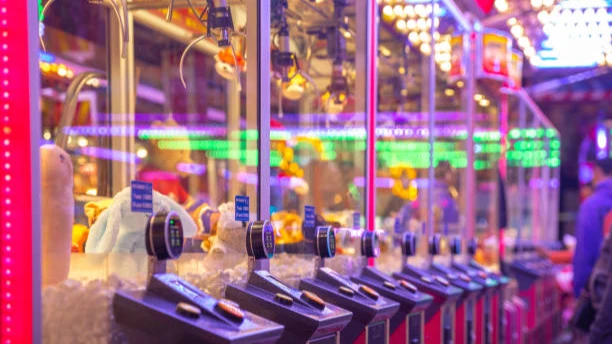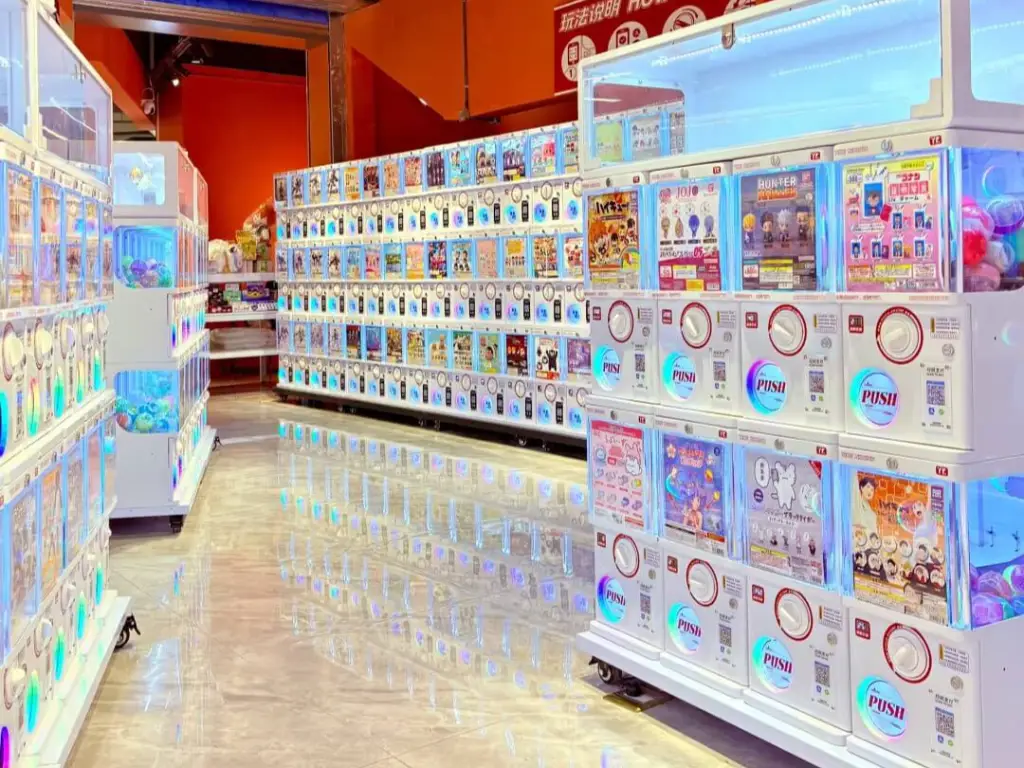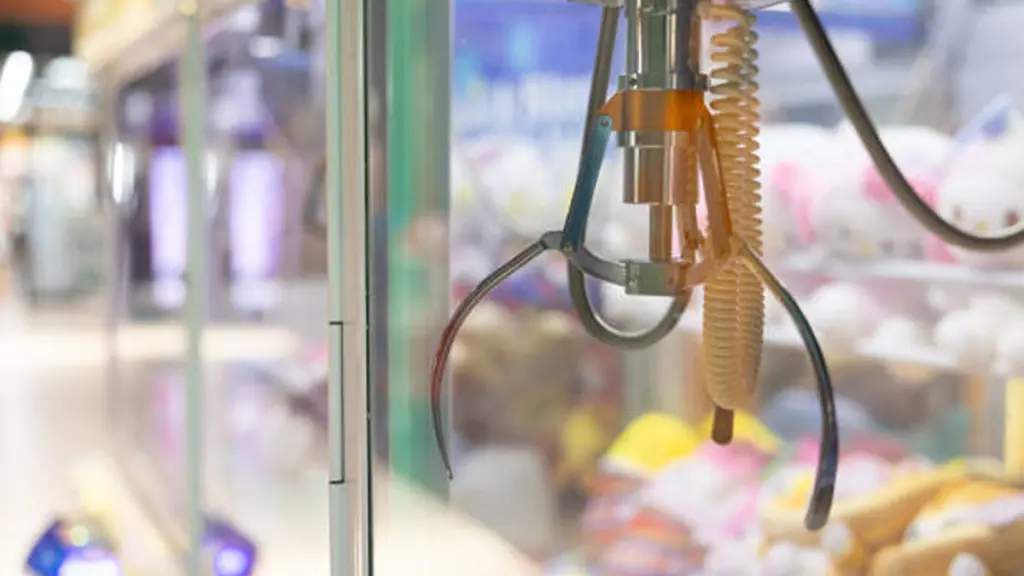


Les revenus quotidiens de Claw Machine atteignent souvent un plateau même lorsque les machines sont entièrement installées et que le trafic piétonnier reste stable. Pour de nombreux opérateurs d'arcade, centres de divertissement familial, et zones de divertissement des centres commerciaux, le vrai défi n'est pas d'attirer plus de visiteurs, mais en augmentant les revenus avec les mêmes machines et la même surface au sol.
Cet article explique comment améliorer systématiquement les revenus quotidiens de Claw Machine grâce à l'optimisation des prix., placement des machines, ajustement du taux de victoire, et opérations basées sur les données. Vous apprendrez des méthodes pratiques pour augmenter l’engagement des joueurs, augmenter les taux de conversion, et maximisez les revenus par machine sans agrandir votre site ni ajouter de nouveaux équipements.
Comprendre ce qui limite les revenus des machines à griffes

Les revenus des machines à griffes sont principalement déterminés par la manière dont les machines convertissent le trafic en lectures répétées.. Lorsque le placement et le trafic sont fixes, les différences de performances proviennent de la façon dont chaque machine est configurée et gérée.
Pourquoi l'espace au sol n'est pas la véritable contrainte de croissance
L'espace au sol définit la capacité, mais pas de potentiel de gain. Même des configurations identiques peuvent produire des revenus de machines à griffes très différents, car l'efficacité opérationnelle varie considérablement..
- Efficacité de la visibilité: Des lignes de visibilité fortes augmentent l’interaction impulsionnelle
- Pertinence du prix: Des récompenses attrayantes augmentent la volonté de jouer
- Solde du taux de victoire: Un mauvais calibrage réduit l’engagement répété
- Conception de fiançailles: Les résultats presque gagnants prolongent les cycles de jeu
- Visibilité des données: Les informations manquantes masquent les écarts de performances
La formule de revenus derrière les emplacements les plus performants
Revenus des machines à griffes est piloté par trois variables fondamentales. Au lieu de les traiter séparément, les opérateurs les plus performants les optimisent ensemble pour maximiser le rendement par visiteur.
| Métrique | Signification | Pourquoi c'est important |
|---|---|---|
| Nombre de joueurs | Volume total d'engagement | Génère des revenus de trafic de base |
| Joues par joueur | Profondeur d'engagement par visite | Multiplicateur direct du chiffre d'affaires total |
| Dépense moyenne | Revenu par session de jeu | Détermine l'efficacité de la monétisation |
Mesurer les revenus par pied carré et les revenus par machine
Les performances en matière de revenus varient considérablement, même entre des sites ayant des revenus totaux similaires, ce qui rend difficile de juger de l’efficacité sur la seule base des revenus.
Pour comparer plus précisément les performances opérationnelles, les opérateurs s’appuient sur deux indicateurs clés: Revenu par machine (RPM) et revenus par pied carré (FARR).
| Métrique | Définition | Impact |
|---|---|---|
| Revenu par machine | Revenu par unité au fil du temps | Identifie les machines fortes et faibles |
| Revenu par pied carré | Revenu par unité d'espace | Améliore l'efficacité de la mise en page |
Construisez une stratégie de prix qui encourage plus de jeux
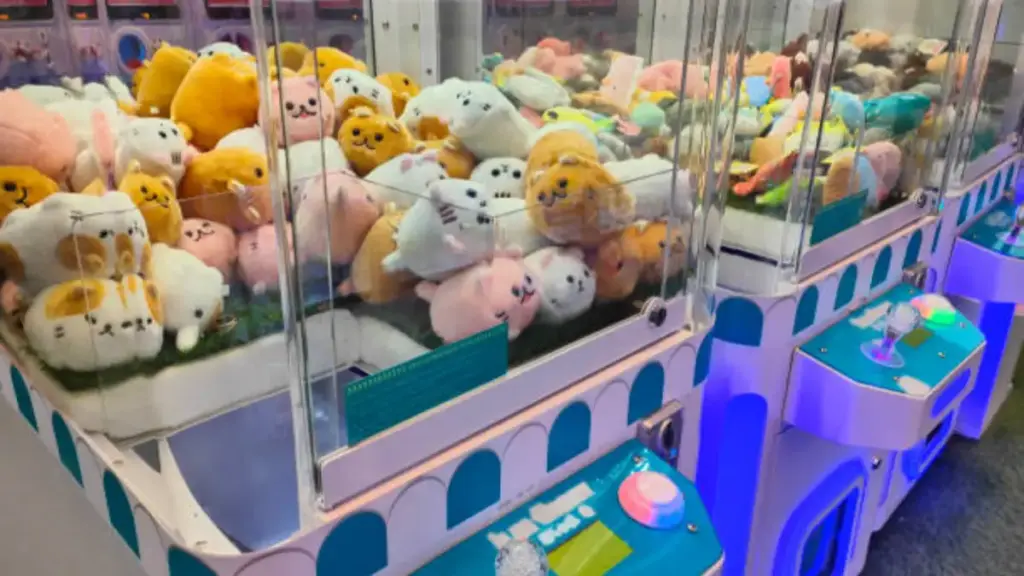
Conception du prix influence directement la motivation des clients, durée des fiançailles, et répéter le comportement de jeu sur différents types de visiteurs et emplacements.
Faire correspondre les catégories de prix à votre public cible
Les machines fonctionnent mieux lorsque la sélection des prix correspond à l'intention du visiteur, parce que la pertinence augmente l'engagement dès la première fois et réduit l'hésitation au point de décision.
| Segment de clientèle | Types de prix efficaces |
|---|---|
| Enfants | Jouets en peluche, personnages de dessins animés |
| Adolescents | Chiffres d'anime, objets de collection |
| Jeunes adultes | Articles tendance, produits de marque |
| Familles | Grandes peluches, prix partagés |
| Touristes | Souvenirs sur le thème local |
Lisez ce blog pour en savoir plus sur Prix de machine à griffes pour les adultes.
Création de plusieurs niveaux de valeur de prix
Une structure de prix à plusieurs niveaux augmente les revenus quotidiens de Claw Machine en créant des niveaux de progression clairs qui encouragent les joueurs à continuer de jouer au lieu de s'arrêter après la première tentative..
| Étage | Type de prix | Effet opérationnel |
|---|---|---|
| Entrée | Petites peluches | Engagement sans barrières |
| Standard | Jouets de valeur moyenne | Fréquence de lecture stable |
| Prime | Objets de collection | Motivation à réessayer plus élevée |
| Vitrine | Grand / prix exclusifs | Fort effet d'attraction visuelle |
Utiliser des prix saisonniers et à durée limitée pour accroître l'engagement
Les prix saisonniers et à durée limitée créent une urgence, pousser les joueurs à agir plus rapidement et à revenir plus souvent pour de nouvelles mises à jour.
Thèmes de vacances comme la Saint-Valentin, Halloween, et Noël, avec des adresses IP tendances et des collaborations limitées, accroître l'attention grâce à la nouveauté et à la rareté. Quand les joueurs s'attendent à ce que les prix changent ou disparaissent, ils sont plus susceptibles de jouer immédiatement au lieu de retarder.
Ce cycle permet de garder les machines à jour et prend en charge des revenus quotidiens stables de Claw Machine grâce à des visites répétées..
Lancez votre arcade rentable sans tracas
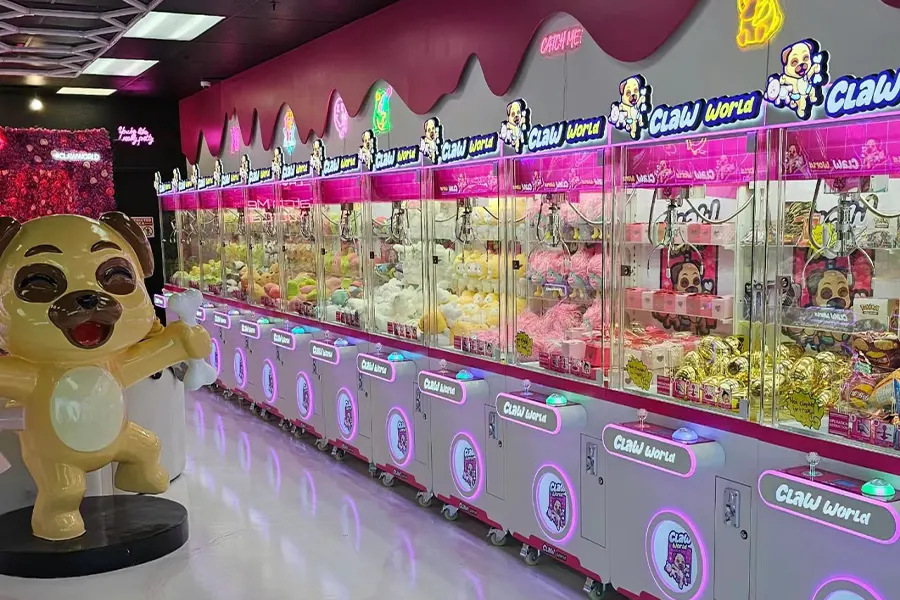
Optimisez le placement des machines pour une visibilité et une conversion de trafic maximales
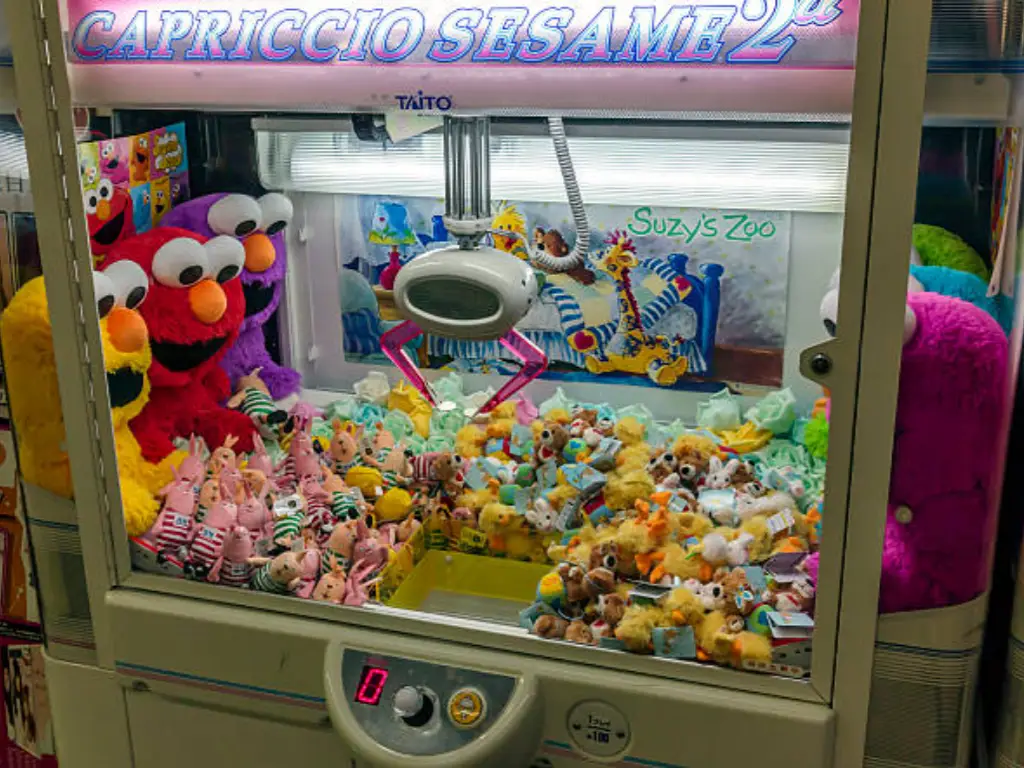
Placement des machines affecte directement la fréquence à laquelle les visiteurs remarquent et interagissent avec les machines à griffes. Même les machines les plus robustes perdent en performances lorsqu'elles sont placées en dehors des voies de déplacement naturelles des clients..
Identifier les zones à fort trafic qui génèrent plus de jeux
Les machines très performantes sont généralement situées dans des zones où les visiteurs ralentissent naturellement, attendez, ou prendre des décisions.
Zones communes inclure les entrées du centre commercial, sorties d'escalier roulant, aires de restauration, salles d'attente de cinéma, caisses, et espaces de divertissement familiaux.
Ces emplacements partagent trois conditions clés: trafic piétonnier élevé, vitesse de marche plus lente, et comportement d'arrêt naturel. Ensemble, ils augmentent les chances de prendre des décisions impulsives, ce qui améliore directement les revenus quotidiens de Claw Machine.
Utiliser des clusters de machines pour créer un fort impact visuel
Le regroupement de machines augmente la visibilité en transformant les unités individuelles en une zone d'attraction unifiée plutôt qu'en machines isolées., ce qui les rend plus faciles à remarquer à distance.
Les clusters efficaces s'appuient sur cohérence visuelle et flux spatial clair. Regrouper les machines par thème et utiliser l'éclairage pour mettre en valeur l'ensemble de la zone contribue à renforcer l'attraction globale, tandis que placer de gros prix dans des positions visibles améliore l'impact au premier coup d'œil.
Par rapport aux configurations à une seule machine, les clusters augmentent naturellement le temps de séjour et encouragent l'interaction sociale lorsque les joueurs regardent et rejoignent les jeux en cours.
Analyser le flux de clients et déplacer les machines sous-performantes
Les performances de la machine dépendent davantage modèles de déplacement des clients que le trafic piétonnier total, surtout là où les visiteurs ralentissent ou interagissent naturellement.
Les opérateurs doivent identifier points d'arrêt, zones de file d'attente, et des machines qui attirent l'attention sans promotion pour comprendre le véritable flux d'engagement.
Ajustez les taux de victoire pour équilibrer la satisfaction des joueurs et la rentabilité
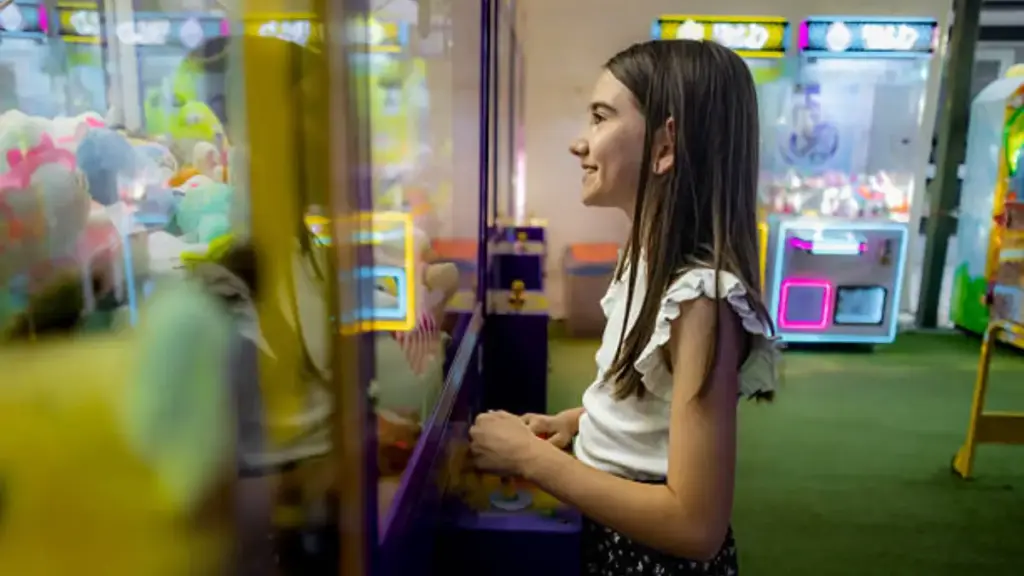
Un système bien équilibré maintient l'engagement des joueurs tout en maintenant une rentabilité saine sur différents types de machines..
Comprendre la relation entre le taux de réussite et les revenus
Taux de victoire doit éviter à la fois la frustration extrême et les victoires trop faciles. Une configuration équilibrée crée des tentatives répétées, sessions de jeu plus longues, et un engagement émotionnel plus fort pendant le jeu.
| Niveau de taux de victoire | Comportement du joueur | Impact sur les revenus |
|---|---|---|
| Trop facile | Victoire rapide, faible intérêt pour la relecture | Baisse des revenus à long terme |
| Équilibré | Répéter les jeux, engagement plus élevé | Potentiel de revenus le plus élevé |
| Trop dur | Frustration, sortie anticipée | Clients perdus |
Définir différents niveaux de difficulté pour différents types de prix
Les différentes catégories de machines ne doivent pas utiliser les mêmes paramètres de gain. La variation permet de correspondre aux attentes des joueurs selon différentes valeurs de prix.
- Machines d'entrée: Encourager la première interaction, tandis que les machines standard maintiennent une difficulté équilibrée pour un jeu régulier.
- Machines premium et vitrines: Exiger des paramètres plus contrôlés pour protéger les prix de grande valeur tout en conservant l'attraction.
Utilisation du comportement de lecture répétée comme indicateur de performance
Le comportement de jeu répété fournit un signal clair indiquant si les taux de victoire sont correctement configurés. Des machines saines encouragent les joueurs à réessayer après des victoires proches et attirent l'attention du groupe pendant le jeu..
Les indicateurs forts incluent des visites répétées dans la même journée et des réactions émotionnelles visibles lors de tentatives rapprochées.. Quand la plupart des joueurs partent après un seul essai, cela signale souvent soit des paramètres trop stricts, soit un faible attrait pour les prix..
Augmentez vos revenus grâce à la présentation des machines et à l'expérience des joueurs
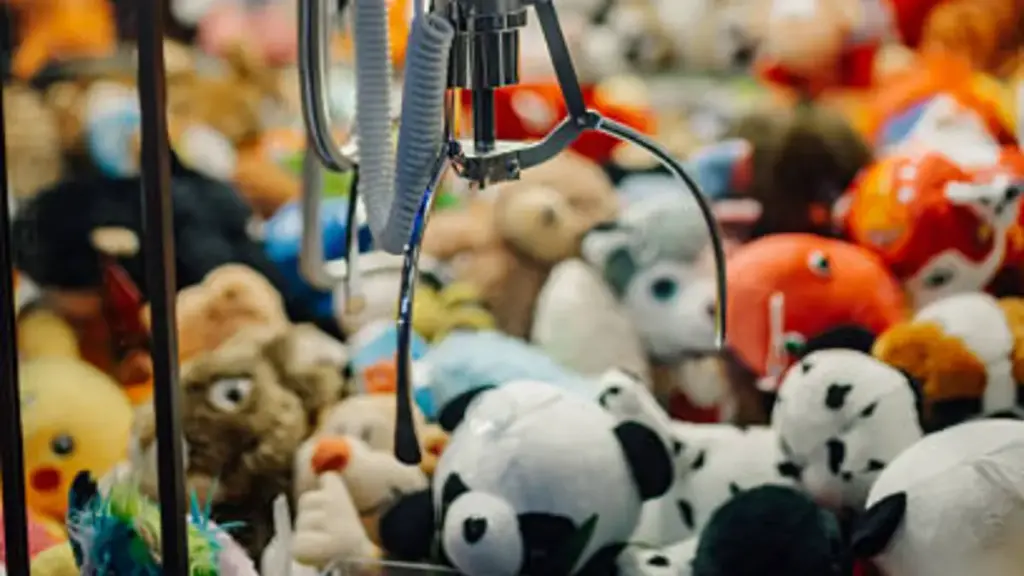
Les performances de la machine ne sont pas seulement déterminées par les paramètres de jeu. La présentation visuelle influence fortement la façon dont les joueurs perçoivent la valeur et décident de s'engager ou non..
Pourquoi l'apparence de la machine influence les décisions de jeu
Les joueurs décident en quelques secondes, et l'impression visuelle détermine souvent s'ils s'arrêtent ou passent devant.
- Éclairage lumineux améliore la visibilité et aide les machines à se démarquer dans les environnements très fréquentés.
- Verre propre renforce la confiance en montrant que la machine est bien entretenue.
- Des prix bien organisés signaler l’équité et augmenter la valeur perçue.
- Éclairage LED améliore encore les zones de prix clés et renforce l'attraction globale dans les endroits à fort trafic.
Bâtir la confiance des clients grâce à un gameplay juste et cohérent
Les revenus quotidiens à long terme de Claw Machine dépendent du sentiment des joueurs que les machines sont équitables dans l'expérience de jeu réelle., pas seulement à quoi ils ressemblent.
Pour bâtir la confiance, les opérateurs doivent se concentrer sur comportement de victoire cohérent sur toutes les machines. Évitez les grandes différences de difficulté entre des types de prix similaires, et maintenez les résultats des gains stables dans chaque catégorie de machines afin que les joueurs puissent formuler des attentes claires.
En pratique, les opérateurs peuvent améliorer la confiance en:
- Vérifier régulièrement gagner en cohérence de fréquence
- Des machines de réglage qui ressentent "trop strict" par rapport aux unités voisines
- Assurer moments presque gagnants apparaissent à un rythme stable
Ces petits ajustements contribuent à réduire la frustration des joueurs et à améliorer l'engagement répété au fil du temps..
Utiliser les données pour améliorer continuellement les performances des revenus
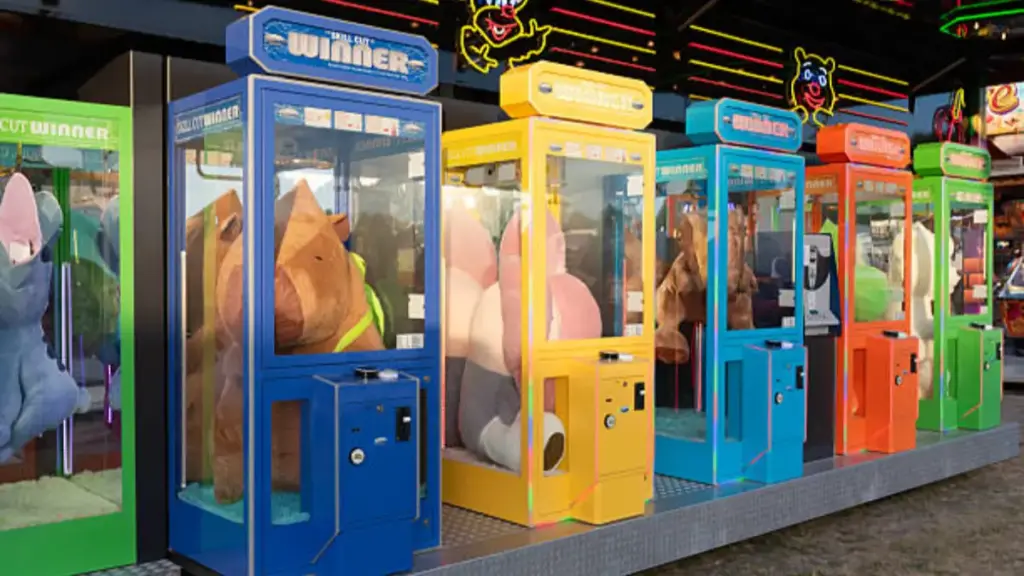
Les données transforment le fonctionnement des machines à griffes en décisions mesurables.. En suivant les performances réelles, les opérateurs peuvent améliorer Revenu quotidien de la machine à griffes de manière plus cohérente et réagissez plus rapidement aux changements sur tous les sites.
Suivi des mesures les plus importantes
Des performances stables dépendent de la sélection d'un petit ensemble d'indicateurs significatifs au lieu du suivi de données excessives qui ajoutent peu de valeur opérationnelle.
| Métrique | But |
|---|---|
| Revenu quotidien | Indicateur de performance globale |
| Revenu par machine | Efficacité au niveau de l'unité |
| Lectures par client | Intensité de l'engagement |
| Taux de victoire | Équilibre entre engagement et profit |
| Ratio coût-prix | Indicateur de contrôle de marge |
| Disponibilité des machines | Mesure de stabilité opérationnelle |
Comparaison des performances des machines selon les emplacements et les catégories
Les machines se comportent différemment même dans des conditions similaires. La véritable optimisation vient de l'identification des combinaisons de types de prix, modèle de machine, et le placement génèrent des performances élevées et reproductibles.
Les opérateurs doivent reproduire les configurations fortes sur tous les sites et ajuster ou supprimer les configurations faibles qui sont systématiquement sous-performantes..
Tirer parti des systèmes de gestion de machines Smart Claw
Les systèmes modernes remplacent la surveillance manuelle par une visibilité opérationnelle en temps réel. Les opérateurs peuvent suivre instantanément les changements de performances et réagir sans délai.
Ces systèmes prennent en charge la surveillance à distance, suivi des revenus, contrôle du taux de victoire, alertes d'inventaire, et diagnostic. Ensemble, ils réduisent les temps d'arrêt et aident les opérateurs à gérer plusieurs sites avec des résultats plus cohérents.
Questions fréquemment posées
Quels changements augmentent le plus rapidement les revenus des machines à griffes?
Les gains les plus rapides proviennent généralement de l'amélioration de l'attrait des prix., ajuster les taux de victoire, et placer les machines dans des zones à haute visibilité. Ces changements améliorent directement l'engagement des joueurs sans ajouter de nouvelles machines.
Comment les opérateurs peuvent-ils identifier les machines peu performantes?
Suivre les revenus par machine, joue par jour, et gagner la fréquence. Les machines situées dans des zones à fort trafic et avec un faible engagement indiquent souvent une configuration de prix faible ou des taux de gain déséquilibrés..
Quel comportement des clients montre des opportunités de revenus manquées?
Les revenus manqués apparaissent souvent lorsque les joueurs regardent les machines mais ne jouent pas, ou essayez une seule fois sans répéter. Cela indique généralement une faible attraction des prix ou une faible probabilité de gain perçue..
Quelles métriques sont les plus importantes pour l’optimisation quotidienne?
Concentrez-vous sur les revenus quotidiens, revenu par machine, jeux par client, solde du taux de victoire, et la disponibilité des machines. Ces mesures reflètent à la fois l'engagement et la rentabilité.
À quelle fréquence les réglages de la machine à griffes doivent-ils être ajustés?
La plupart des opérateurs ajustent les taux de gains et les paramètres des prix toutes les quelques semaines en fonction des données de performances.. Les machines stables doivent rester cohérentes, tandis que les machines faibles nécessitent une optimisation plus rapide.
Pensées finales
L’augmentation des revenus quotidiens de Claw Machine ne dépend pas de l’expansion de la surface au sol. Dans la plupart des cas, la véritable croissance vient de l'amélioration de la façon dont les machines existantes sont gérées et optimisées lors de la conception des prix, placement, taux de victoire, présentation, et utilisation des données.
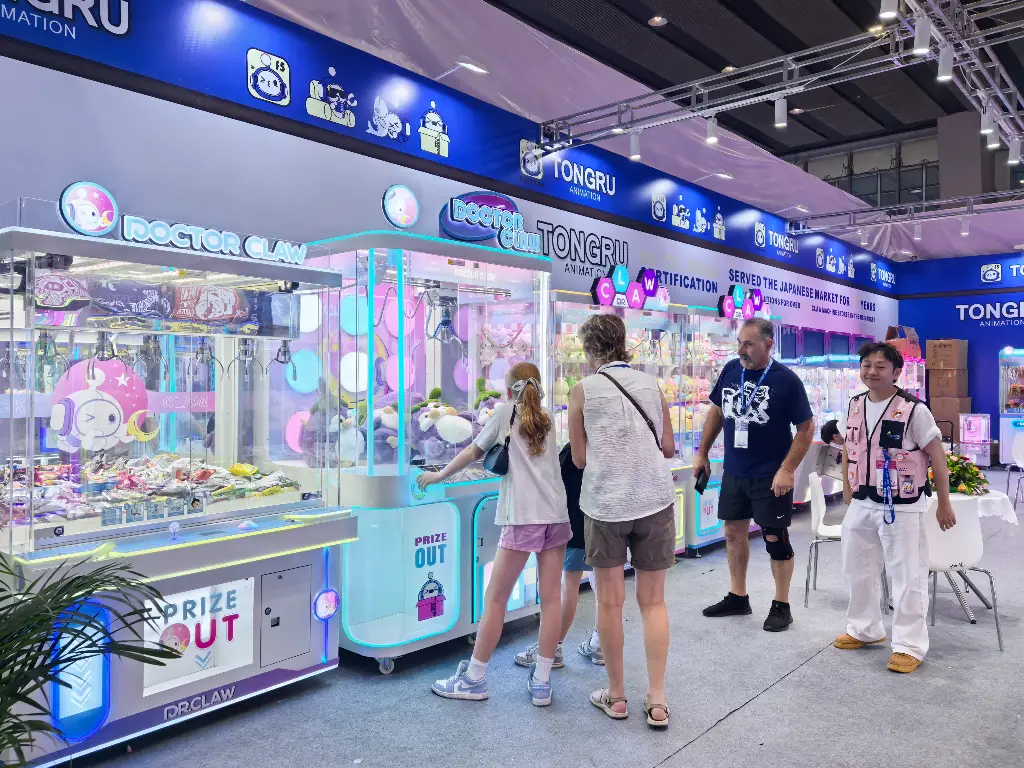
Pour les opérateurs et les investisseurs cherchant à accroître leurs performances de manière contrôlée et fiable, la qualité des équipements devient un fondement essentiel. Fonctionnement stable, configuration flexible, et des performances constantes garantissent que chaque stratégie d'optimisation peut être appliquée efficacement sur des sites réels. À explorer les solutions de machines conçu pour une performance de revenus à long terme, visite TONGRU pour plus de détails.