

Improper claw machine settings can quickly reduce player trust, lower repeat plays, and limit the revenue potential of commercial arcade machines. When claw strength, ciclos de pago, and prize difficulty are not properly adjusted, players may feel the game is unfair and lose interest after only a few attempts.
This guide helps arcade operators optimize key machine settings to create a better balance between player engagement and profitability. By improving gameplay fairness, payout control, y eficiencia operativa, businesses can increase customer retention while protecting long-term revenue performance.
Why Claw Machine Settings Matter for Player Experience
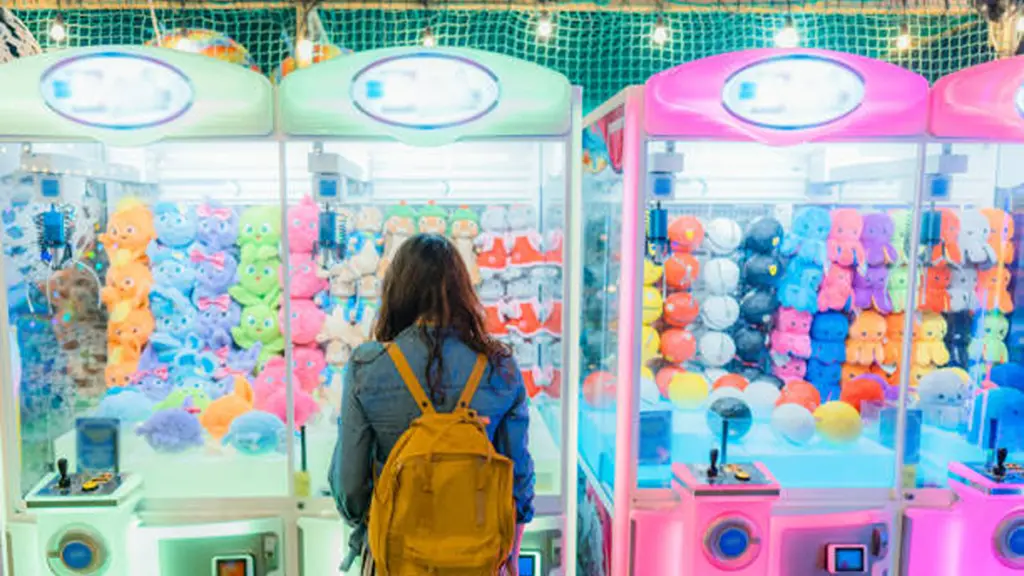
A maquina de garras is more than a prize vending device. Its settings shape how players judge fairness, enjoy the game, and decide whether another attempt is worth their time and money.
Creating a Fair and Enjoyable Game Experience
Players do not expect to win every time, but they need to feel that winning is possible. El claw machine settings determine whether the gameplay feels challenging and exciting or frustrating and unfair.
Several factors shape the overall player experience:
- Fairness perception: Players need to believe the game provides a reasonable chance to win.
- Entertainment value: Exciting gameplay encourages customers to continue playing.
- Trust in the machine: Consistent performance helps players feel confident about making another attempt.
When a claw moves accurately, interacts naturally with prizes, or creates visible progress, customers are more likely to stay engaged. Sin embargo, if every attempt ends without any movement or possibility of success, players may quickly lose interest, even if the prizes are attractive.
Building Trust Through Consistent Gameplay
Trust is a key part of the player experience. Customers quickly notice whether a machine performs consistently from one attempt to another.
A claw machine does not need to provide frequent wins to keep players interested. En cambio, it should offer a reliable experience where gameplay feels predictable and reasonable. When players believe the machine operates fairly, they are more likely to continue playing and develop a positive impression of the evento.
For commercial operators, consistent performance is not only about technical stability. It also helps create a better customer experience and supports long-term player engagement.
Creating Motivation Through Game Design
Well-balanced settings also influence player motivation. A good claw machine creates moments of excitement that encourage customers to try again.
Por ejemplo, when a player almost captures a prize, the experience feels different from a complete failure. The player may believe another attempt could succeed, creating stronger engagement with the game.
The purpose of adjusting claw machine settings is not simply to control winning outcomes. It is to create a balanced experience where players enjoy the challenge, trust the machine, and remain interested in future plays.
Key Machine Settings That Influence Player Behavior
Different claw machine settings affect how customers interact with the game. Proper adjustment helps create a smoother experience where players understand the challenge and remain interested.
Claw Strength and Grip Control
The claw strength determines how the machine handles different prizes during gameplay. It should provide enough force to create realistic winning opportunities without making the game feel too easy.
Operators usually adjust claw strength based on:
- Prize characteristics: Different sizes, weights, and materials require different grip levels.
- Machine usage: High-traffic machines may need different settings from machines with fewer daily plays.
- Gameplay balance: The claw should create a challenge while still allowing players to see progress.
A properly adjusted claw gives players confidence that their decisions and timing can influence the result.
Grip Duration and Movement Performance
The grabbing process depends on more than claw strength. The way the claw moves, holds, and releases a prize also affects how players judge the gameplay.
Los factores importantes incluyen:
- Grip duration: Controls how long the claw maintains pressure after grabbing.
- Movement speed: Affects how smoothly the claw reaches and returns with a prize.
- Release timing: Influences whether the result feels natural or disappointing.
Consistent movement helps players understand the machine better and creates a more enjoyable experience.
Difficulty Level and Prize Layout
The difficulty of a claw machine is not only controlled by settings. Tamaño del premio, posición, and display also affect how players judge the chance of winning.
Operators should pay attention to:
- Visibilidad: Attractive prizes should be easy to notice and encourage customers to make the first attempt.
- Accesibilidad: Items need enough space for the claw to approach and create realistic winning opportunities.
- Layout balance: A well-organized display helps players understand the game and feel that success is possible.
A suitable combination of difficulty and prize arrangement creates a more attractive experience and encourages players to continue trying.
Su solución completa llave en mano para máquinas de garras
How Different Settings Affect Revenue and Repeat Plays
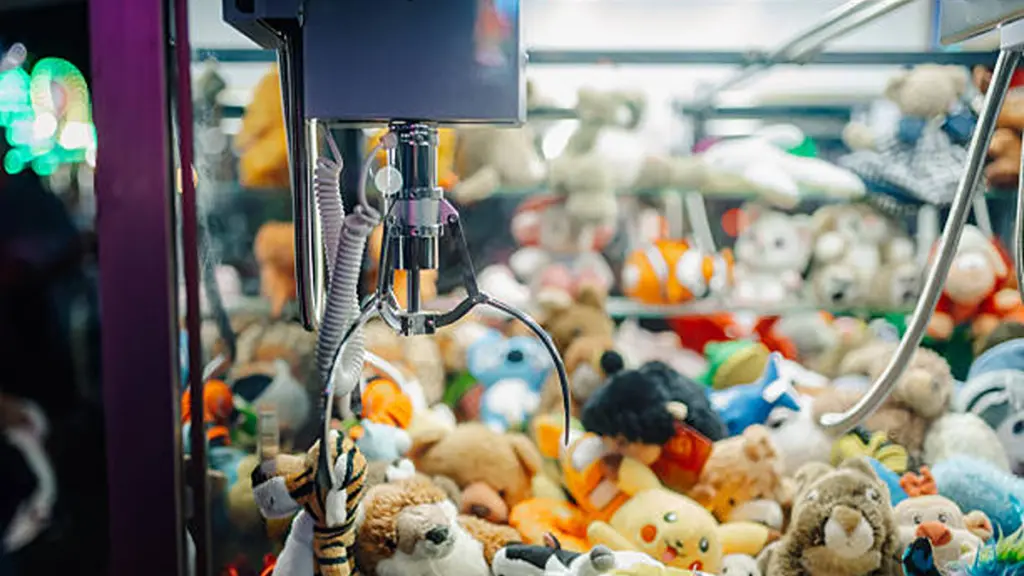
Claw machine revenue depends on how settings influence player decisions. The right balance between challenge, reward, and cost can increase both immediate plays and long-term customer retention.
Balancing Payout Settings and Player Retention
El payout setting directly affects whether players feel motivated to continue. If the machine rarely provides any sense of progress, customers may stop playing after a few attempts. Sin embargo, a balanced payout experience encourages players to keep trying because they believe success is possible.
Operators need to consider three key factors:
- Costo del premio: Settings should protect profit margins while keeping prizes attractive.
- Player expectation: The difficulty level should match the value and appeal of the prize.
- Repeat plays: A positive experience increases the chance that customers will try again.
The goal is not to reduce wins as much as possible. Sustainable revenue comes from creating enough engagement to encourage repeated attempts.
Monitoring Player Behavior and Revenue Results
Operators should use real performance data instead of adjusting settings only by experience. Tracking player behavior helps identify whether a machine attracts enough plays and maintains long-term value.
Important indicators include:
- Play frequency: Shows whether customers are willing to continue after their first attempt.
- Ingresos por máquina: Helps evaluate whether settings support business goals.
- Prize usage: Indicates whether prize selection and difficulty match customer expectations.
Regular analysis allows operators to make smarter adjustments and improve machine performance over time.
Adjusting Claw Machine Settings for Different Locations
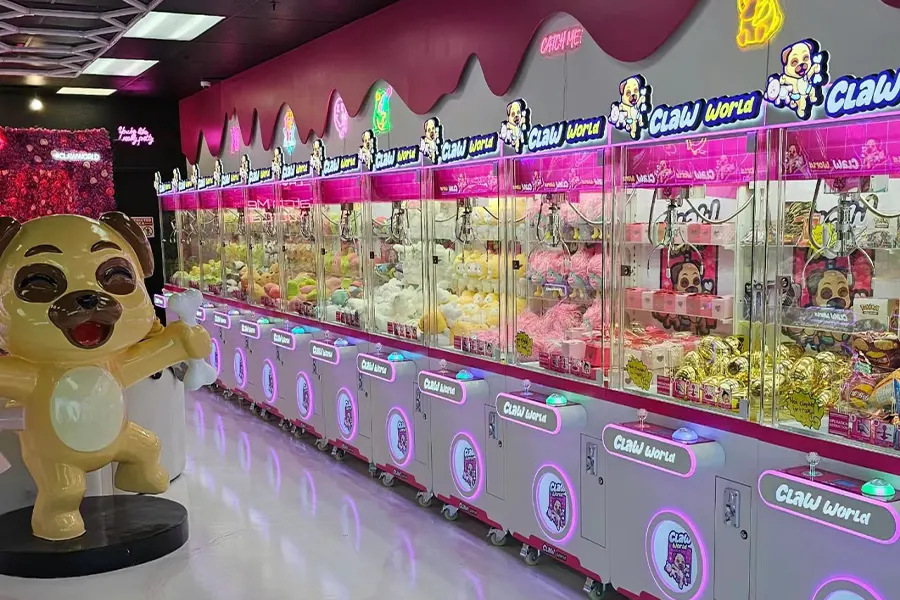
The same claw machine settings may not work equally well in every venue. Location type, grupos de clientes, and traffic patterns all influence the best operating strategy. A well-planned Diseño de distribución de tienda de máquinas de garra. can also help improve customer flow and increase machine visibility.
Por ejemplo:
- centros comerciales: High visitor numbers may focus on attracting new players with an easy-to-understand experience.
- Centros de entretenimiento familiar: Younger players often respond better to more accessible gameplay.
- Arcades with premium prizes: Higher-value rewards require more careful difficulty control to protect margins.
Operators should review machine performance regularly and adjust settings according to actual results. Adapting the setup to the environment helps maintain player interest while improving long-term revenue potential.
Finding the Right Balance Between Difficulty and Profitability
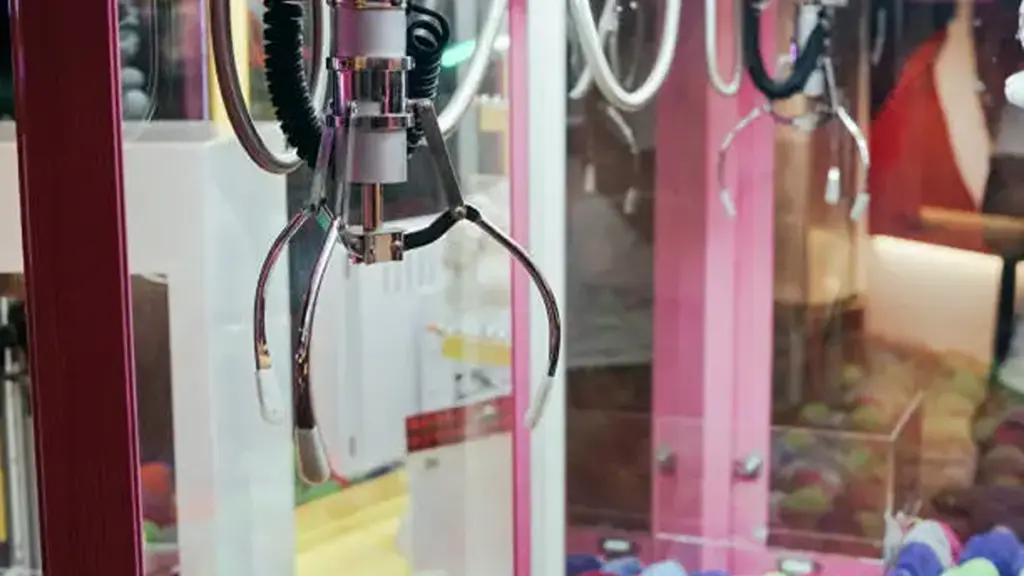
A profitable claw machine needs more than attractive prizes. Operators must align difficulty, prize cost, and player expectations to create sustainable revenue.
Start From Revenue Goals and Prize Costs
The right settings should support the financial goals of the machine while maintaining an enjoyable experience. Before adjusting difficulty, operators need to understand the relationship between play price, prize cost, and expected revenue.
A machine with expensive prizes requires a different strategy from one filled with lower-cost items. Instead of focusing only on increasing the number of failed attempts, operators should control costs while keeping players interested.
Key factors include:
- Costo del premio: The average prize expense should match the expected revenue generated from multiple plays.
- Play value: Customers should feel that the game experience matches the price of each attempt.
- Prize demand: Popular prizes can support higher customer interest and better play value.
A well-planned cost structure allows operators to maintain profitability without making the machine feel difficult or unfair.
Match Difficulty With Prize Strategy
Difficulty should always connect with the type of prize inside the machine. A premium prize can attract more attention, but it usually requires a different balance between challenge and reward. Operators can also improve cost control and prize variety by working with a reliable servicio de adquisición de premios.
Por ejemplo, collectible or higher-value prizes may need more controlled settings to protect profit margins. Mientras tanto, machines with affordable prizes can focus on creating more frequent positive experiences.
Los operadores deben considerar:
- Prize attractiveness: Popular prizes can encourage more plays even when the difficulty is higher.
- Variedad de premios: Combining different prize levels helps balance customer interest and operating costs.
- Difficulty level: The challenge should encourage another attempt instead of creating frustration.
The best-performing machines usually create a feeling that winning is achievable, even when players do not succeed every time.
You can learn more about How to Select Claw Machine Prizes in our dedicated article.
Adjust Claw Mechanics Through Testing
Mechanical adjustments help operators maintain the balance between player engagement and profitability. Small changes in fuerza de la garra, grip timing, and prize positioning can influence both customer satisfaction and revenue performance.
Instead of keeping fixed factory settings, operators should review actual machine performance and adjust based on factors such as:
- Player response: Identify whether customers continue playing or lose interest quickly.
- Prize performance: Ensure different prize types match the current difficulty level.
- Revenue results: Adjust settings according to real operating data.
Regular testing allows operators to create a machine that feels challenging but achievable, improving repeat plays while maintaining stable profitability.
Common Setting Mistakes That Reduce Player Retention
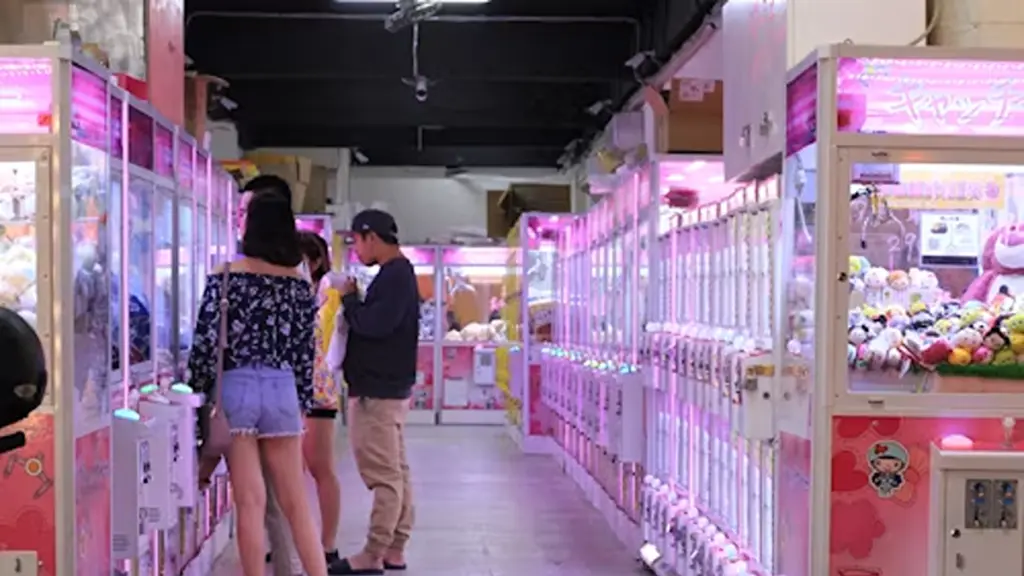
Wrong settings can quickly affect player trust and repeat plays. Small mistakes may make a claw machine feel unfair, boring, or unreliable.
Setting Claw Machine Difficulty Too Hard or Too Easy
Difficulty is one of the main factors that affects how players feel about a claw machine. If the claw is too weak, customers may think they have little chance to win. If it is too strong, players may win too quickly and lose interest.
Operators should avoid:
- Low player confidence: Customers may stop playing when they see no chance of success.
- Too many quick wins: Easy wins can reduce the number of plays from each customer.
- Wrong difficulty level: Settings should match the prize type, valor, and target players.
A suitable difficulty level keeps players interested while helping operators maintain revenue.
Unbalanced Prize Selection and Gameplay Expectations
Poor prize selection can reduce player interest even when machine settings are correct.
Operators should avoid:
- Unbalanced prize mix: Too many similar prizes may reduce long-term attraction.
- Low-value prizes: Items with little appeal may not motivate customers to play.
- Unrealistic targets: Oversized or difficult-to-grab prizes can create frustration.
Poor Claw Machine Maintenance and Settings Check
Regular maintenance helps keep claw machines working properly. Worn parts, unstable movement, or changing claw strength can affect the way customers experience the game.
Routine checks help maintain:
- Smooth movement: Keeps the claw operating normally.
- Stable performance: Provides a similar experience for different players.
- Player trust: Encourages customers to play again.
For commercial operators, maintenance is not only about fixing problems. It also helps protect customer experience and long-term revenue.
Best Practices for Optimizing Commercial Claw Machine Settings
Commercial claw machine settings require continuous improvement rather than one-time adjustment. Operators need to review machine performance regularly and make changes based on real operating conditions.
| Optimization Area | Recommended Practices |
|---|---|
| Payout and Prize Cost Control | Adjust payout settings based on prize value and business goals to balance player satisfaction and operating costs. |
| Claw Performance Adjustment | Check claw strength, movement speed, and grip timing regularly to maintain smooth and consistent gameplay. |
| Prize Selection and Layout | Select suitable prizes and arrange them properly to improve visibility and create realistic play opportunities. |
| Location-Based Settings | Adjust machine settings according to customer groups, traffic levels, and venue conditions. |
| Seguimiento del rendimiento | Monitor play data and revenue results to identify problems and improve future adjustments. |
Explore our claw machine case studies to see how different stores and venues optimize their arcade operations.
Pensamientos finales
Proper commercial claw machine settings help operators create a better player experience while maintaining stable revenue. A reliable claw machine should not only attract customers but also provide consistent gameplay that builds trust and encourages repeat plays over time.
Como fabricante de máquinas de garras profesionales, TONGRU provides reliable machines with flexible settings for different business needs. With our Solución comercial de Machine de Claw One-Stop, we support operators from machine customization to project planning. Contact TONGRU to discuss your next OEM claw machine project and find a solution that fits your market.
Preguntas frecuentes
What is the best claw machine setting for profitability in 2026?
The most profitable setting is a configuration that achieves a controlled prize payout of 15–30%, with win cycles of about 12–20 plays per prize. This is combined with low-cost prizes (typically $0.50–$1.50) and a strategic play price (P.EJ., $1 por jugada). This balance helps maintain a gross margin of 50–70% by ensuring revenue from plays significantly exceeds the cost of prizes awarded.
What is a good win rate for a commercial claw machine?
A good win rate for most commercial claw machines is between 20% y 30%. This rate is high enough to keep players engaged and feeling the game is fair, which encourages repeat plays. Al mismo tiempo, it is controlled enough to maintain profitability by keeping the total cost of prizes dispensed at around 25–35% of the machine’s total revenue.
Do easier claw machines generate more revenue?
Sí, easier claw machines can generate more revenue, provided they are tuned correctly. While harder settings increase profit per play, they often discourage players. A machine that feels winnable, with a balanced win rate (P.EJ., 20–30%), attracts more attempts, increases repeat play, and builds player trust. The increased play volume often generates more overall revenue than an overly difficult machine that players avoid.
Why do players stop using certain claw machines?
Players abandon claw machines that feel unfair or impossible to win. Common reasons include a claw that seems too weak to hold prizes, unattractive or poorly arranged prizes that are impossible to grab, and a lack of any visible wins over a long period. When the game stops feeling like a fun challenge and more like a rigged system, players lose trust and take their money elsewhere.
How can operators improve repeat play rates?
To improve repeat play, operators should focus on the player experience. This includes using a diverse and regularly updated prize mix with collectible items, ensuring prizes are attractively arranged and look winnable, and maintaining a fair but challenging win rate. Offering multi-play discounts and keeping the machine clean and well-maintained also builds player trust and encourages them to play again.
How often should claw machine settings be changed?
Claw machine settings require ongoing attention. Operators should monitor performance metrics like win rates and revenue daily. Small adjustments to claw strength or prize placement can be made weekly based on this data. Larger strategic changes, like altering the core payout percentage, are typically done monthly or quarterly to ensure the machine remains profitable and engaging without confusing regular players.